Glare can turn a comfortable room into a tiring one. It often comes from a bare LED, a polished tabletop, or a bright window reflected on a screen. The fix is rarely just choosing a lower-wattage bulb. Good results depend on brightness, beam direction, surface finish, and where people sit or work. These details matter.
For anyone researching how to avoid glare in indoor lighting, start by noticing what the light hits. A ceiling fixture aimed straight at a glossy desk may create a sharp reflection, even when the room feels dim. Diffusers, recessed fixtures, indirect light, and adjustable shades can soften that effect. They are not interchangeable; room layout and task needs still matter. Lighting designer Richard Kelly is widely associated with the observation, “Light is the first element of design; without it there is no color, form, or texture.” His idea points to a useful balance: light should reveal a space without overwhelming it.
This guide looks at practical ways to assess LED products, including options from Chinese manufacturers, without relying on marketing claims alone. Check the fixture’s glare-control features, beam angle, dimming compatibility, and placement guidance. Then test it in the actual room, at the usual time of use. A sample that looks gentle in a showroom may feel harsh above a kitchen counter. I have to admit that diagrams cannot predict every reflection; real rooms are messier. Careful observation, sensible product specifications, and small adjustments can make indoor lighting easier on the eyes.
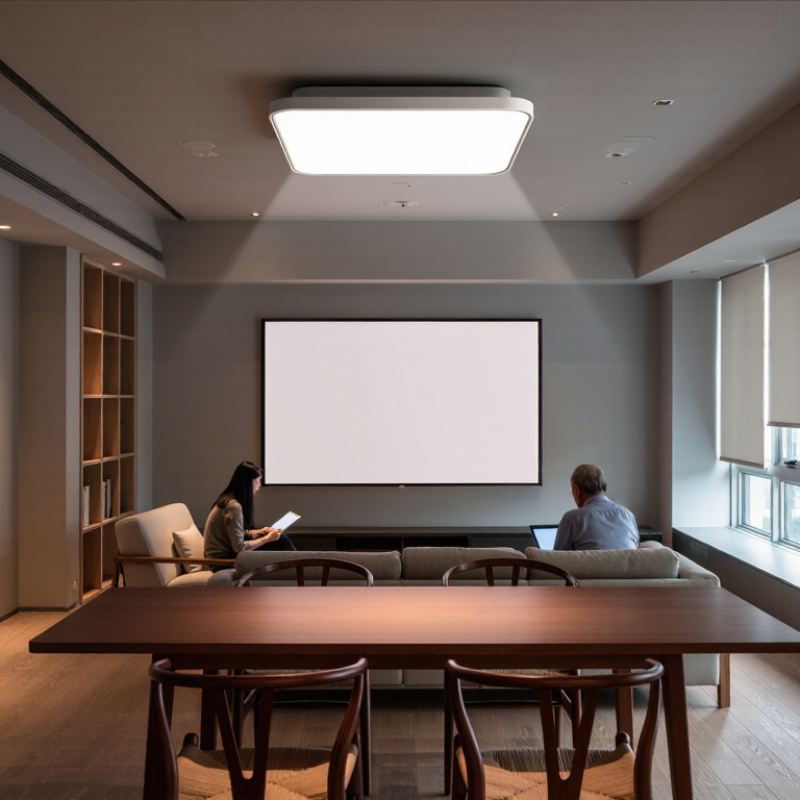
Indoor glare occurs when a light source feels uncomfortably bright or makes details harder to see. It is not simply a matter of using too many lamps. The eye responds to contrast, viewing angle, and how long a bright source stays in view. A bare LED downlight above a kitchen island can look sharp when you glance up from chopping. That feels harsh. Narrow beams can also create bright spots beside dim areas, making close work or screen use more tiring.
Reflected glare has a different cause. A glossy countertop, polished tile, or computer display can bounce light toward your eyes. Even a suitable fixture may cause discomfort if it sits in your line of sight. Daylight matters too. Low afternoon sun through an uncovered window can wash out a laptop screen and create strong contrast. Dusty diffusers or poorly adjusted dimming may add to the problem. Still, no single brightness number explains every room. Sometimes the lamp is not too bright; it is simply aimed badly. Moving a chair or changing the light’s angle can reveal the cause, though reflections may take closer inspection.
China Best LED Lighting: How to Avoid Glare Indoors?
Assess the room before changing its lights. Glare is often local. A ceiling fixture may shine directly into your eyes from a sofa, while a desk lamp reflects off a glossy screen. Note where people sit, read, cook, and work. Then check their usual view: windows, bare bulbs, and bright wall surfaces can all create discomfort. A layout that looks balanced on paper may still feel harsh at night.
List the existing light sources and observe them at different times. Daylight shifts, and one bright ceiling light can overpower softer lamps nearby. Try switching fixtures on individually to find which source causes reflections or sharp contrast. For reading, aim a task light at the page, not toward the reader’s eyes. Diffused shades and adjustable fixtures can help, but placement matters more than adding brightness. I sometimes find the first adjustment is not enough; the room needs another evening of observation.
Tips: Sit in each main seating spot and look toward screens, windows, and lamps. Move a light slightly before replacing it. Keep the path clear, and use softer, indirect light where people relax.
A comfortable LED setup starts with the right brightness, not the highest lumen rating. For a reading desk, a focused light can make pages clear without flooding the whole room. In a living area, softer, distributed light often feels calmer. Check the fixture’s lumen output and consider room size, ceiling height, wall color, and nearby windows. Pale walls reflect more light than dark ones, so the same fixture may feel brighter in one room.
Beam angle shapes where that light lands. A narrow beam can highlight a countertop or artwork, but it may create a bright spot beside deep shadows. Wider beams spread light more evenly, though they can still cause glare if aimed toward eye level. A recessed light near a glossy table, for example, may reflect directly into someone’s view. Small adjustment, big difference. Choose shielded or diffused fixtures where people sit, and aim adjustable heads at walls or work surfaces rather than faces. If specifications seem unclear, compare the beam diagram with your room layout. Then test the light at night from normal seating positions. I have sometimes chosen a fixture that looked balanced on paper but felt harsh after installation; that is worth reconsidering. A dimmer can help, but it cannot fix a poorly aimed beam.
China Best LED Lighting: How to Avoid Glare Indoors?
Positioning and Diffusing LEDs to Reduce Direct and Reflected Glare
Glare often comes from a bright LED sitting directly in your line of sight. Place ceiling fixtures away from places where people sit, read, or work. In a home office, position a desk light beside or slightly behind the monitor, not aimed at the screen. This reduces harsh reflections across the display. Small changes matter.
Diffusers soften the light by spreading it across a larger surface. Choose a frosted cover or a fixture with a recessed light source, and check it from normal seated and standing positions. Glossy tabletops, polished floors, and glass cabinets can bounce light toward your eyes. If reflections remain, shift the fixture or use a matte shade. Dimming can help in the evening, but an overly dim room beside a bright screen may still feel uncomfortable. I have found that one adjustment rarely fixes every angle; test the room at different times of day.
Tips: Sit where you usually work and look toward the fixture. If you see a sharp, bright point, reposition it or add diffusion. Check reflective surfaces after dark, too. Daylight can hide a glare problem.
Testing indoor lighting for visual comfort starts with observing the room during normal tasks. Read at your usual desk. Notice whether a bare bulb or bright window sits in your direct line of sight. Glare often appears as squinting, eye fatigue, or a shiny reflection on a screen. It can be subtle.
Adjust one thing at a time. Move a lamp slightly to the side, aim its shade toward a wall, or add a diffuser to soften the beam. Then repeat the same task for several minutes. A light meter can help compare brightness across a desk, but readings alone cannot describe comfort. Personal sensitivity and screen position matter too. Keep notes on what changed; memory is unreliable.
Test lighting at different times of day, especially when daylight shifts across the room. Try a lower dimmer setting in the evening, while keeping enough light to read without leaning forward. Check that the light looks even across the page and does not create a hard shadow from your hand. Small adjustments may help more than replacing every fixture. Still, one test is not proof; comfort can vary from day to day.
Sit where people usually read or relax. Check whether a lamp, window, or glossy screen sits directly in view.
Not right away. Move it slightly or switch fixtures on one at a time to identify the cause.
Aim it at the page, not toward your eyes. Check that your hand does not cast a hard shadow.
Choose enough light for the task without flooding the room. Room size, wall color, ceiling height, and windows all affect how bright it feels.
Narrow beams can create bright spots beside deep shadows. Wider beams spread light more evenly, but may still cause glare when aimed at eye level.
A lower setting may feel more comfortable in the evening. It cannot fix a poorly aimed beam.
Change one thing, then repeat a normal task for several minutes. Test from your usual seat and at different times of day.
No. Readings can compare desk brightness, but screen position and personal sensitivity matter too. My first adjustment sometimes fails.
Indoor glare can make a room uncomfortable and tiring to use. It often comes from light that is too bright, poorly aimed, or reflected off glossy surfaces such as screens, polished floors, and tabletops. To understand how to avoid glare in indoor lighting, begin by considering the room’s layout, the activities performed in each area, and the daylight and fixtures already present. This helps identify where harsh light is coming from and what kind of illumination each task requires.
Choose LED fixtures with a suitable brightness and beam angle rather than relying on maximum output. Position them so they illuminate work areas without shining directly into people’s eyes, and use shades, diffusers, or indirect lighting to soften the beam and limit reflections. After installation, test the lighting during normal activities and at different times of day. Adjust fixture angles, brightness, or placement until the room feels comfortable while still providing clear, practical illumination.
Velvet Light