How to Design Office Lighting for Enhanced Productivity?

Time:2026-08-12 Author:Isabella
0%

Effective office lighting plays a crucial role in enhancing productivity. Many organizations overlook this essential aspect of workplace design. Poor lighting can lead to fatigue and decreased focus. Therefore, it is vital to understand how to design lighting for offices and commercial areas.

Creating the right atmosphere involves several factors. Different activities require various lighting setups. For instance, collaborative spaces often benefit from bright, adjustable lights. In contrast, relaxation areas may need softer, warmer tones. Additionally, natural light should be maximized wherever possible. Windows and light wells can greatly improve the workspace environment.

Despite these guidelines, mistakes can occur. Overly bright lights may cause glare, impacting concentration adversely. On the other hand, inadequate lighting can create shadows, making it hard to focus. Reflecting on these design choices can lead to more thoughtful decisions. Striving for balance in lighting design will ultimately foster a more productive workspace.
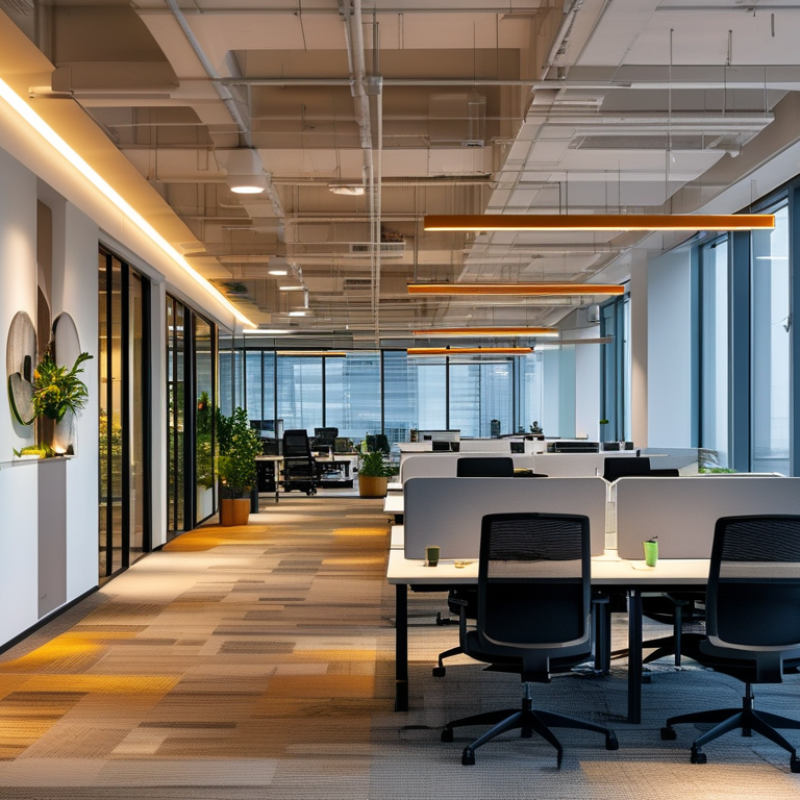
How to Design Office Lighting for Enhanced Productivity?

Understanding the Importance of Office Lighting for Productivity

Office lighting plays a critical role in enhancing productivity. According to the International Journal of Environmental Research and Public Health, well-designed lighting can improve employee performance by up to 20%. Proper lighting influences mood, focus, and overall energy levels, making it essential for an optimal work environment.

Natural light is particularly beneficial. A study from the University of Oregon found that workers with access to natural light reported a 15% higher level of well-being. Employees are less fatigued and more engaged when sunlight fills their workspace. However, achieving the right balance can be tricky. Too much glare can cause discomfort and distract employees, while insufficient lighting can lead to eye strain.

Additionally, color temperature matters. Research indicates that cooler light (around 5000K) can enhance alertness, while warmer light (around 3000K) creates a cozy atmosphere. Each workspace is unique, and companies must consider individual employee preferences and job functions. A one-size-fits-all solution may not be effective. Implementing adaptive lighting systems may require time, investment, and adjustments to meet everyone's needs.

How to Design Office Lighting for Enhanced Productivity? - Understanding the Importance of Office Lighting for Productivity

Lighting Type Color Temperature (K) Impact on Productivity Recommended Adjustment
Natural Light 5000-6500 Boosts mood and energy levels, improves focus. Maximize window space, consider light shelves.
LED Lighting 3000-4000 Provides clear illumination, energy-efficient. Use dimmable options; vary intensity based on time of day.
Fluorescent Lighting 4100-5000 Can reduce eye strain; may cause flickering. Use Task lighting for focused areas.
Task Lighting 4000-5000 Enhances concentration on specific tasks. Position close to work areas without glare.
Ambient Lighting 2700-3000 Creates a welcoming environment. Balance with task lighting to avoid shadows.

Key Principles of Effective Office Lighting Design

Effective office lighting design plays a crucial role in enhancing productivity. Natural light should be prioritized wherever possible. It boosts mood and energy levels. Large windows or skylights can bring in this valuable resource. When natural light isn’t an option, consider using soft white LED bulbs. They mimic daylight and reduce eye strain.

Layering light sources is essential for balanced illumination. Combine overhead lighting with task lighting that focuses on work areas. Desk lamps or adjustable lights provide direct lighting for reading or writing. Additionally, consider the color temperature of your lights. Warmer tones create a cozy atmosphere, while cooler tones can enhance alertness. Nonetheless, too much contrast between light and dark areas can lead to discomfort.

Be mindful of the potential for glare. It can distract workers and reduce focus. Use blinds or diffusers to soften harsh light. Regularly reassessing lighting conditions is also critical. Employee feedback can reveal areas for improvement. Solutions may require experimentation. Finding the right balance is key to creating an engaging and productive workspace.

Office Lighting Impact on Productivity

Types of Lighting: Ambient, Task, and Accent in Office Spaces

When designing office lighting, understanding the types of lighting is crucial. Ambient lighting provides the overall illumination needed for an office. According to a report by the Illuminating Engineering Society, well-distributed ambient light can improve alertness by up to 20%. Soft, diffuse sources are ideal to reduce glare. LED panels or indirect fixtures work well here.

Task lighting focuses on specific areas, aiding concentrated work. Studies indicate that employees are 15% more productive with proper task lighting. Adjustable desk lamps can help personalize spaces to individual needs. Proper light levels can reduce eye strain and fatigue, making focused tasks more enjoyable.

Accent lighting can enhance an office's aesthetics, but it serves a purpose as well. Highlighting artwork or architectural features can promote creativity. However, too much accent light can distract. Balancing these lighting types is essential for an effective workspace. Not every office can achieve perfect lighting. Continuous evaluation and adjustments might be necessary to meet evolving needs.

Choosing the Right Light Fixtures and Technologies for Offices

When designing office lighting, choosing the right fixtures is crucial. LED panels are energy-efficient and provide uniform light distribution. They minimize shadows and reduce eye strain. Task lights offer focused illumination for specific areas. This can boost concentration in workstations.

Natural light should also be a priority. Large windows can enhance mood and productivity. However, relying on natural light alone may lead to inconsistencies, especially during cloudy days. Consider layering light sources. A mix of ambient, task, and accent lighting creates a balanced atmosphere.

Technology plays a vital role as well. Smart lighting systems allow adjustments based on occupancy and time of day. This flexibility can accommodate different work styles and tasks. While many offices embrace advanced technologies, not all systems integrate seamlessly. Regular evaluations of lighting needs can ensure effectiveness and comfort.

Strategies for Adjusting Lighting Based on Tasks and Time of Day

When designing office lighting, it's essential to consider how different tasks and times of day influence productivity. Natural light has a powerful effect. It boosts mood and focus. Positioning workspaces near windows can harness this benefit. However, as the sun sets, artificial lighting must adapt. Harsh overhead lights can create fatigue. Instead, use soft lighting solutions to maintain energy levels.


For tasks requiring concentration, like deep work or reading, a brighter light with a cooler temperature is ideal. This setup mimics daylight, enhancing alertness. In contrast, warm lighting works better for collaborative environments. It fosters relaxation and open communication. Adjusting lighting based on team activities can greatly impact overall productivity. Consider using dimmers or smart systems that change intensity throughout the workday.


It's important to evaluate the effectiveness of the lighting regularly. Some employees might feel discomfort under certain lights. Gathering feedback is crucial. Not all strategies will work for every office. Over time, we need to refine our approach. Experiment with different settings to find the perfect balance that caters to various tasks and preferences.

FAQS

: Why is office lighting important for productivity?

: Office lighting significantly enhances productivity. Well-designed lighting can improve employee performance by up to 20%.

How does natural light affect employees?

Natural light boosts well-being. Workers with access report 15% higher satisfaction and are less fatigued.

What happens if the lighting is too bright or too dim?

Excessive glare can distract employees. Insufficient lighting leads to eye strain and lowers focus.

What color temperature should office lighting have?

Cooler light (around 5000K) increases alertness. Warmer light (around 3000K) creates a cozy atmosphere.

How can companies implement effective office lighting?

Companies should prioritize natural light. Combining overhead lighting with task lighting can create balanced illumination.

What should companies consider when designing office lighting?

Individual employee preferences and job functions matter. A one-size-fits-all approach may not work effectively.

How can glare affect workplace focus?

Glare can distract workers, lowering their productivity. Using blinds or diffusers can help minimize this issue.

Is employee feedback valuable in lighting design?

Yes, employee feedback is crucial. It helps identify issues and improves overall lighting conditions.

Can companies trial different lighting solutions?

Definitely. Experimentation is key to finding the best lighting balance for engagement and productivity.

What challenges might arise in lighting adjustments?

Implementation may require time and investment. Adjustments might be necessary as needs evolve.

Conclusion

Effective office lighting plays a crucial role in enhancing productivity and overall well-being in the workplace. Understanding how to design lighting for offices and commercial areas begins with recognizing the different types of lighting—ambient, task, and accent. Each type serves a unique purpose, contributing to a balanced and functional environment. Key principles of effective design include ensuring adequate brightness, minimizing glare, and incorporating flexibility to adjust lighting according to various tasks and times of day.

When selecting light fixtures and technologies, it's important to consider factors such as energy efficiency and the specific needs of the workspace. Strategies for adjusting lighting can involve using dimmers, smart lighting systems, and appropriate fixture placement to create an adaptable atmosphere. By thoughtfully implementing these principles and strategies, organizations can significantly improve workplace productivity and employee satisfaction.

Isabella

Isabella

Isabella is a dedicated marketing professional with a sharp focus on driving brand growth and engagement through strategic content creation. With an extensive background in digital marketing, she combines her passion for storytelling with her keen understanding of industry trends to deliver......