LED lighting fixtures have rapidly gained popularity in various settings. Homeowners and businesses alike are drawn to their energy efficiency and long lifespan. However, understanding what is the lifespan of LED lighting fixtures remains crucial for making informed decisions.
Typically, LED bulbs last significantly longer than traditional incandescent bulbs. Many manufacturers claim a lifespan of 15,000 to 50,000 hours. This variation depends on several factors, including usage patterns and environmental conditions. It's essential to consider that not all LED products perform equally. Some brands offer better reliability than others, reflecting their commitment to quality and innovation.
Despite their advantages, there are potential drawbacks. LED fixtures may not perform well in extreme temperatures. Users should pay attention to installation specifics. A poorly installed fixture can reduce its lifespan. Moreover, while LEDs are strong performers, they are not entirely without flaws. Even top-tier products can exhibit issues over time. Understanding these aspects will help consumers make more educated choices regarding LED lighting in their spaces.
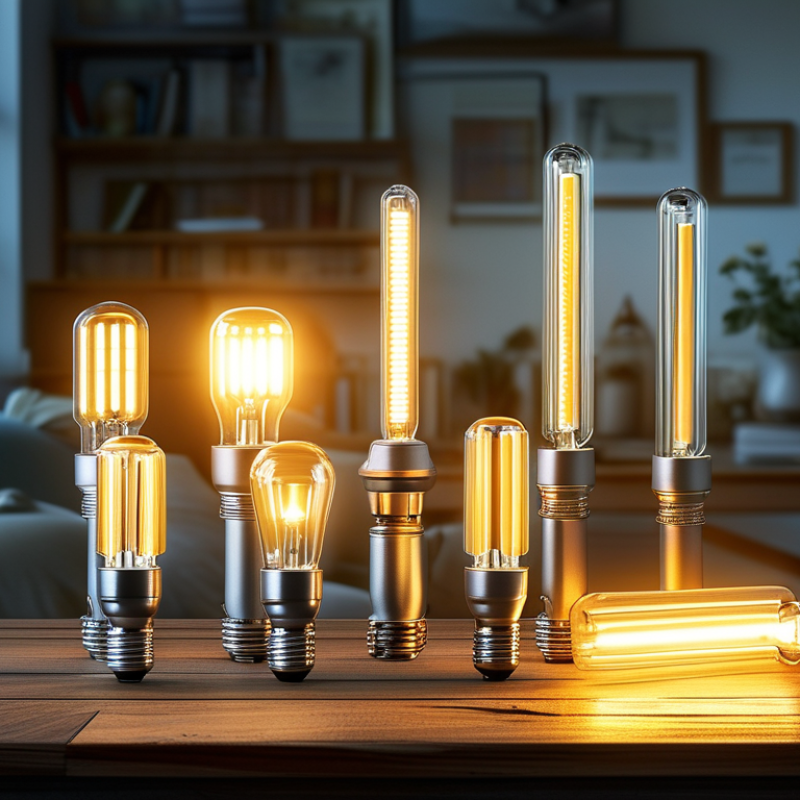
Understanding LED Lighting Fixture Lifespan: An Overview
Understanding the lifespan of LED lighting fixtures is crucial for effective planning. Generally, LED fixtures last significantly longer than traditional bulbs. They have a lifespan of up to 50,000 hours or more. This means that they can function for years without needing replacement. This longevity makes them a popular choice for both residential and commercial usage.
However, not all LED fixtures are created equal. Factors like quality, usage, and environmental conditions play a role in their durability. For instance, excessive heat can shorten an LED's lifespan. Similarly, fixtures used in high-frequency cycling may wear out faster. Users should pay attention to specifications and warranties, as these indicators reflect quality and expected lifespan.
Despite the advantages, some users find discrepancies between claimed and actual lifespans. It’s important to monitor performance over time. Regular inspection can reveal dimming or flickering. These signs often indicate it's time for replacement. Learning from these experiences can save money in the long run.
Lifespan of LED Lighting Fixtures: An Overview
This chart illustrates the average lifespan of various types of LED lighting fixtures, showcasing that industrial fixtures tend to have the longest lifespan, whereas decorative fixtures have the shortest. Understanding these differences can help consumers make informed choices regarding their lighting needs.
Average Lifespan of LED Fixtures Compared to Traditional Lighting
LED lighting fixtures have transformed the illumination landscape. Their average lifespan is impressive compared to traditional incandescent and fluorescent lights. Studies show that quality LED fixtures can last between 25,000 to 50,000 hours. In contrast, traditional bulbs typically last only 1,000 to 2,000 hours. This remarkable longevity underscores the efficiency of LED technology.
Additionally, LED lights maintain a higher lumen output over time. A recent report by the U.S. Department of Energy revealed that LEDs can provide consistent brightness for a longer period, even as they age. Traditional lighting tends to diminish in brightness rapidly, leading to more frequent replacements. However, it's important to note that not all LEDs are created equal. Some lower-quality products may not deliver the expected lifespan or performance.
Environmental impact is another key consideration. LEDs consume significantly less energy than traditional lighting, which translates to lower electricity bills and reduced carbon footprints. Yet, challenges remain. The initial investment for LED fixtures can be higher. Consumers often feel unsure about the long-term savings. This uncertainty can lead to hesitation in switching to LED technology, despite its proven advantages. Proper education and information dissemination are essential to help users understand the benefits truly.
Factors Influencing the Lifespan of LED Lighting Fixtures
The lifespan of LED lighting fixtures can vary significantly based on several key factors. Temperature is one of the most critical influences. High ambient temperatures can shorten the life expectancy of LEDs. Research indicates that LEDs perform optimally at temperatures around 25°C. Operating in environments above this threshold can lead to a decline in performance and a lifespan reduction by up to 50%.
Another important factor is the quality of electronic components used in the fixtures. Poor-quality drivers can result in flickering and inefficient operation. A study by the Lighting Research Center (LRC) revealed that quality components can extend the lifespan of LED lights significantly, while subpar options might cause failure in just a few years.
Moreover, the installation method plays a role; improper installation can lead to overheating. This can shorten the fixture's life and affect luminous output. The surrounding environmental conditions also matter. Humidity and dust can accumulate in fixtures, leading to potential corrosion or failure. Research shows that fixtures installed in clean, dry areas typically last longer than those in high-humidity environments.
Understanding and mitigating these factors can enhance the lifespan of LED lighting systems, making them a more reliable choice for various applications.
Industry Standards and Testing for LED Lifespan Durability
In the realm of LED lighting, lifespan is a critical aspect for both consumers and manufacturers. Industry standards, such as those set by the Illuminating Engineering Society, state that most LED fixtures should last up to 25,000 hours, depending on usage conditions. This benchmark highlights the reliability of LED technology compared to traditional lighting options. However, real-world performance often varies based on several factors, including thermal management and operating environment.
Testing protocols established by organizations like the Department of Energy (DOE) emphasize the importance of rigorous evaluation. The DOE recommends evaluating LED products across a range of temperatures and humidity levels to ensure durability. In one study, it was found that 30% of LEDs failed to maintain lumen output beyond 70% after only 5,000 hours under unfavorable conditions. This indicates that despite promising specifications, actual performance can falter under stress.
Additionally, manufacturers often rely on accelerated aging tests to predict lifespan. These tests simulate prolonged use in a controlled setting. Yet, results might not always reflect true longevity. Real-life usage varies widely, influenced by factors like flickering and switching cycles. Understanding these variables can guide consumers in selecting reliable LED fixtures.
What is the Lifespan of LED Lighting Fixtures? - Industry Standards and Testing for LED Lifespan Durability
| Fixture Type |
Average Lifespan (Hours) |
Lumen Maintenance (%) |
Color Temperature (K) |
| Residential LED Bulb |
15,000 |
70% |
2700 |
| Commercial LED Troffer |
50,000 |
80% |
4000 |
| Outdoor LED Floodlight |
30,000 |
85% |
5000 |
| LED Streetlight |
100,000 |
90% |
4000 |
| LED Downlight |
25,000 |
70% |
3000 |
Cost-Benefit Analysis of LED Lifespan and Energy Savings
When considering LED lighting fixtures, their lifespan can significantly impact both initial costs and long-term savings. Generally, LEDs last longer than traditional bulbs. They can operate for up to 25,000 hours or more. This longevity means fewer replacements and lower maintenance costs over time. However, it's essential to evaluate installation costs and energy savings thoroughly.
Energy efficiency is another critical aspect. LED lights consume significantly less energy compared to incandescent and fluorescent bulbs. For instance, while a traditional bulb may draw 60 watts, an LED can produce the same brightness with only 10 watts. This reduction translates into lower energy bills. A household could see a 75% decrease in lighting energy costs when switching to LEDs. While the initial investment might be higher, the return on investment can be substantial.
However, there are nuances to consider. Not all LED fixtures perform equally over time. Some may dim or change color temperature prematurely. This variability raises questions about their reliability. Users should research product ratings and experiences from others. Even with the potential for significant savings, it’s wise to remain cautious and informed about choices in the LED market.
FAQS
: Temperature is critical. High temperatures can reduce lifespan by 50%. Quality components also matter.
Improper installation can cause overheating, affecting lifespan and brightness. Correct installation is essential.
Humidity and dust can lead to corrosion and failures. Clean and dry conditions extend lifespan.
Most LED fixtures are expected to last up to 25,000 hours. Real-world performance may vary.
LEDs use less energy. They can replace 60-watt bulbs with only 10 watts, saving costs significantly.
Poor-quality components and unfavorable conditions can cause early failures. Always check product ratings.
Testing protocols simulate conditions, but real-life usage can differ. Consider various factors when evaluating products.
LED longevity reduces replacement and maintenance costs. You could see a 75% decrease in energy bills.
No, some may dim prematurely. Research product experiences to ensure reliability before purchase.
Maintain a stable temperature, ensure proper installation, and keep fixtures clean to maximize durability.
Conclusion
LED lighting fixtures have gained popularity due to their impressive lifespan and energy efficiency. In addressing the question, "what is the lifespan of LED lighting fixtures," it is important to note that these fixtures typically last significantly longer than traditional lighting options, often exceeding 25,000 to 50,000 hours of use. Several factors influence this lifespan, including thermal management, the quality of components, and usage conditions.
Additionally, industry standards and testing protocols play a crucial role in determining the durability of LED lighting fixtures. A thorough cost-benefit analysis reveals that while the initial investment in LED technology may be higher, the energy savings and reduced maintenance costs over time make them a more economical choice. Overall, understanding these aspects can help consumers make informed decisions regarding their lighting needs.

 Velvet Light