How to Replace Traditional Lighting With LED Lights?

Time:2026-09-11 Author:Liam
0%

Replacing old bulbs with LEDs sounds simple, but successful lighting upgrades require more than changing a lamp. The process begins with observing the existing space. Notice the dim corners, harsh glare, flickering tubes, and warm spots around work surfaces. These details reveal whether the problem involves bulb type, fixture design, wiring, or poor placement. This is the practical starting point for understanding how to replace traditional lighting with led in homes, offices, shops, and industrial areas.

Lighting designer Randall Whitehead has said, “Good lighting is not just about seeing; it is about feeling.” His observation matters during an LED conversion. A bright, cool-white lamp may improve visibility but create an uncomfortable office or bedroom. A warm LED may feel inviting but provide insufficient task lighting. Selecting the correct color temperature, lumen output, beam angle, and dimming compatibility is essential. Product labels can be confusing. Even experienced installers sometimes discover that an LED does not perform well inside an enclosed fixture.

This guide explains how to compare incandescent, halogen, fluorescent, and high-intensity discharge systems with modern LED alternatives. It also considers energy use, heat, maintenance, operating life, and installation safety. The savings may be significant, but they should not be assumed blindly. Existing controls, transformers, and sockets can affect performance. A careful replacement plan includes a room-by-room audit, sample testing, electrical inspection, and responsible disposal of removed lamps. The goal is not simply brighter light. It is dependable illumination that fits the space, the occupants, and the real operating conditions.
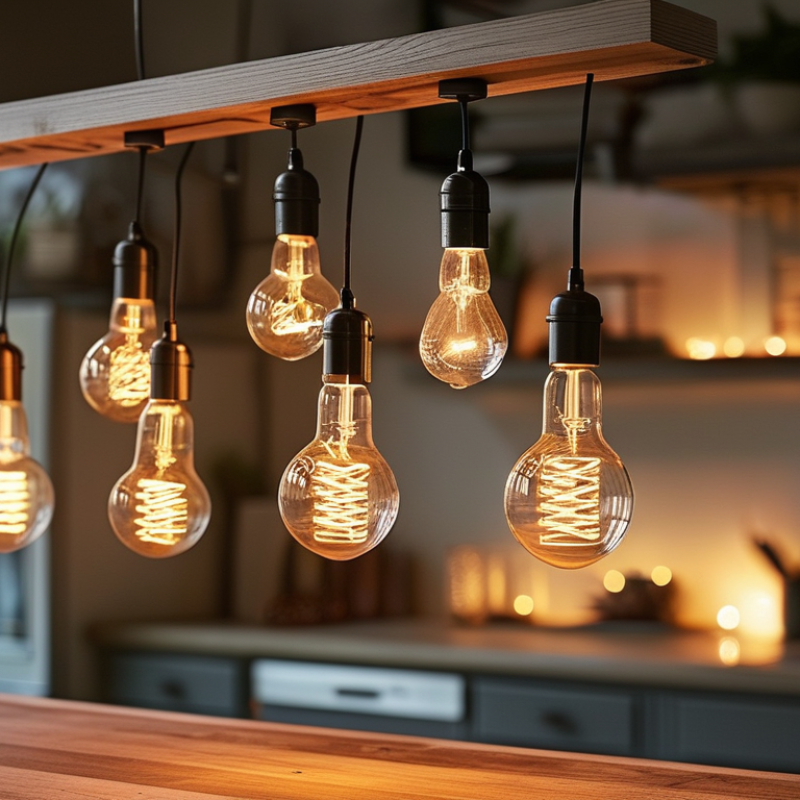
How to Replace Traditional Lighting With LED Lights?

Assess Existing Fixtures Against DOE’s 75% LED Energy-Saving Benchmark

How to Replace Traditional Lighting With LED Lights?

Assess every fixture against the U.S. Department of Energy’s 75% energy-saving benchmark. This benchmark compares LED lighting with incandescent technology, not every older lamp. Record each fixture’s wattage, operating hours, lumen output, and control type. Then select an LED product delivering similar lumens, beam spread, and color temperature. A 60-watt incandescent lamp producing about 800 lumens may be replaced by an LED using 8–10 watts. The U.S. DOE reports that LEDs use at least 75% less energy and can last up to 25 times longer than incandescent bulbs. The International Energy Agency also identifies lighting as a major global electricity user. Savings depend on real operating conditions.

Check the fixture, too. Enclosed housings can trap heat and shorten LED life. Older dimmers may cause flicker, buzzing, or limited dimming. In one practical audit, a low-wattage replacement looked efficient but delivered poor light distribution. That was a useful reminder: wattage alone proves little. Compare lumens, color rendering, rated life, and compatibility before purchasing. Calculate annual savings with this formula: watts saved × operating hours ÷ 1,000 × electricity rate. The payback may be slower in a rarely used storage room.

Tips: Photograph each fixture before replacement. Measure light at the work surface. Replace high-use lamps first. Keep one spare with the same specifications. Review the results after thirty days, because estimated savings can differ from actual meter data. DOE, Energy Saver; IEA, Lighting reports.

How to Replace Traditional Lighting With LED Lights?

Assess Existing Fixtures Against DOE’s 75% LED Energy-Saving Benchmark

Based on a representative 800-lumen lamp operating 3 hours per day for 365 days, a 60-watt incandescent lamp uses approximately 65.7 kWh per year. The DOE benchmark requires LED lighting to reduce energy use by at least 75%, equivalent to 16.4 kWh per year or less. A 9-watt LED uses approximately 9.9 kWh annually, delivering about 85% energy savings compared with the incandescent baseline.

Select LED Lumens, Color Temperature, and CRI Using IES Criteria

Replacing traditional lamps with LEDs is not a simple watt-for-watt swap. Start with measured task illuminance, mounting height, beam spread, and room reflectance. The U.S. Department of Energy reports that LEDs can use at least 75% less energy and last up to 25 times longer than incandescent sources. Actual savings still depend on operating hours, controls, and maintenance. Lumens describe emitted light, not brightness on a desk. Match the existing lux level, then check glare and distribution.

Use IES recommendations for the task, rather than selecting the highest lumen package. A 2700–3000 K color temperature suits hospitality and warm residential spaces. Around 3500–4000 K often supports offices, workshops, and retail areas. These ranges are practical, not universal. CRI 80 is a common baseline, while CRI 90 or higher benefits food, textiles, healthcare, and art. IES TM-30 offers deeper evidence than CRI alone, including fidelity and gamut values. Photometry should follow IES LM-79 testing. Review LM-80 data and projections for lumen maintenance. I still test samples on site. Catalog figures can feel too confident.

Tips: Compare delivered lumens, not lamp wattage. Request an IES-format photometric file. Check CCT tolerance, glare rating, flicker data, and emergency compatibility. Measure lux after installation. A small beam-angle mismatch can create dark bands, even when total lumens look correct. Record the chosen CCT and CRI for future replacements. It prevents a patchwork ceiling.

Check Voltage, Socket, Dimming, and ENERGY STAR’s 25-Year Life Expectancy

Replacing traditional lighting with LED lights starts with checking the voltage printed on the fixture or old bulb. A household LED must match that voltage. Using the wrong rating can cause flickering, overheating, or early failure. Examine the socket as well. A familiar bulb shape may still use a different base, leaving the light loose or impossible to install.

Dimming requires extra care. Not every LED works with an existing dimmer, even when the bulb fits perfectly. Look for a dimmable label, then confirm that the dimmer supports LED loads. Install one bulb and test it from the lowest setting to full brightness. Watch for buzzing or uneven light. I once focused only on wattage and overlooked the dimmer, which made the room uncomfortable at night.

ENERGY STAR guidance commonly presents LED products with a life expectancy of up to 25 years, based on typical household use and rated conditions. That does not mean every LED will last exactly 25 years. Heat, frequent switching, poor ventilation, and unstable voltage can shorten its service life. A sealed outdoor fixture may need a bulb designed for enclosed spaces. Keep the old bulb until the replacement works properly. Small details matter.

Install LEDs Safely and Manage Heat, Wiring, and Lamp Disposal

How to Replace Traditional Lighting With LED Lights?

Replacing incandescent or fluorescent lamps with LEDs is not just a screw-in exercise. The U.S. Department of Energy reports that modern LED systems can exceed 150 lumens per watt, while ENERGY STAR states that LEDs use at least 75% less energy than incandescent lighting. Check the socket, voltage, dimmer compatibility, and fixture rating before installation. Turn off the circuit breaker, then verify that no voltage remains with a tester. A wall switch alone is not enough.

Manage heat carefully. LEDs produce less heat overall, but their drivers and heat sinks still become warm. Never cover ventilation openings with insulation, dust, or loose wiring. Keep connections inside an approved electrical box, and replace brittle insulation or scorched terminals. Wire colors can differ in older buildings. Stop when the circuit condition is unclear. A qualified electrician is safer than a confident guess.

Disposal also deserves attention. The U.S. Environmental Protection Agency recommends recycling LED and fluorescent lamps through suitable collection programs. LEDs usually contain no mercury, unlike many fluorescent lamps, but they still contain electronic components. Fluorescent tubes require extra care because broken glass can release mercury. Place used lamps in a rigid container, not a crowded trash bag. The International Energy Agency identifies lighting as a major electricity-use category worldwide. Small efficiency gains matter, yet poor wiring can erase the safety benefits. My practical view is less glamorous: clean terminals, accurate testing, and patient installation prevent more trouble than advanced lighting features.

How to Replace Traditional Lighting With LED Lights? - Install LEDs Safely and Manage Heat, Wiring, and Lamp Disposal

Evaluation Dimension Traditional Lighting LED Replacement Safe Replacement or Management Guidance
Typical wattage for similar brightness Incandescent lamps commonly use about 60 W to produce approximately 800 lumens. An LED lamp can provide approximately 800 lumens using about 8–12 W. Match the replacement by lumens and beam pattern rather than wattage alone. Confirm that the lamp fits the fixture and socket.
Energy consumption A 60 W lamp operated for 1,000 hours uses about 60 kWh. A 10 W LED operated for 1,000 hours uses about 10 kWh, reducing energy use by roughly 83% in this example. Calculate annual savings with: wattage × operating hours ÷ 1,000 = kWh used.
Rated service life Many incandescent lamps are rated for approximately 750–1,000 hours. Many household LED lamps are rated for approximately 15,000–25,000 hours, depending on design and operating conditions. Use the manufacturer’s rated life as an estimate, not a guarantee. High heat and frequent electrical stress can shorten service life.
Heat management Incandescent lamps release most of their input energy as heat and can make fixtures very hot. LEDs generally produce less total heat, but their electronic drivers still require ventilation and can be damaged by excessive temperature. Do not cover an LED unless it is specifically rated for enclosed fixtures. Keep insulation, fabric, and other combustible materials away from hot fixtures.
Fixture compatibility Traditional lamps are usually compatible with standard sockets but may have fewer dimming or control requirements. LEDs may require compatibility with dimmers, sensors, timers, enclosed fixtures, or low-voltage transformers. Check the lamp’s suitability for the fixture, dimmer, voltage, ambient temperature, and intended orientation before installation.
Wiring and voltage Many household lamps connect directly to the local mains supply through a standard socket. LED lamps may be mains-voltage or low-voltage products and may contain an electronic driver. Switch off power at the circuit breaker, verify that the circuit is de-energized, and never alter fixed wiring unless qualified and permitted to do so.
Installation procedure Replacement often involves removing the old lamp and installing a lamp with the same base type. The same basic process applies, but LED specifications and fixture limitations must be checked first. Allow the old lamp to cool, disconnect power, remove it without force, inspect the socket, install the LED securely, and restore power for testing.
Dimming performance Incandescent lamps generally dim smoothly with compatible standard dimmers. Only dimmable LED lamps should be used with dimmers; flicker or limited dimming may occur with incompatible equipment. Confirm that both the LED and dimmer are rated for compatibility. Replace or adjust an incompatible dimmer if flickering, buzzing, or shutdown occurs.
Color temperature Traditional lamps commonly produce warm light near 2700 K. LEDs are available in warm, neutral, and cool color temperatures, commonly ranging from about 2700 K to 6500 K. Choose around 2700–3000 K for warm residential spaces, 3500–4100 K for neutral work areas, and higher values where cooler light is appropriate.
Electrical warning signs Burn marks, loose sockets, or repeated lamp failure can indicate fixture or wiring problems. LED flickering, overheating, buzzing, discoloration, or an unusual odor may indicate incompatibility or an electrical fault. Turn off the circuit and stop using the fixture if these signs appear. Have fixed wiring and damaged fixtures inspected by a qualified electrician.
Disposal of incandescent or halogen lamps These lamps generally do not contain mercury, but local waste rules still apply. LED lamps contain electronic components and should be kept out of general waste where local e-waste programs are available. Allow the lamp to cool, protect it from breakage, and follow local household-waste or recycling instructions.
Disposal of fluorescent or CFL lamps Compact fluorescent and fluorescent lamps contain a small amount of mercury and require special handling in many jurisdictions. LED replacements normally do not contain mercury, although they still include electronic components. Do not place fluorescent lamps in ordinary trash where prohibited. Use a designated lamp-recycling or household hazardous-waste collection point.
Best replacement checklist Record the old lamp’s base, brightness, shape, and operating location. Select an LED with the required base, lumen output, color temperature, beam angle, voltage, dimming capability, and fixture rating. Before purchasing, photograph the existing lamp label and fixture. Compare specifications and retain installation instructions for future maintenance.

Safety note: Always follow local electrical regulations and the instructions supplied with the lamp and fixture. Turn off the circuit breaker before working on fixed wiring, and seek professional assistance when wiring, sockets, or fixtures are damaged.

Measure kWh, Costs, and Maintenance Changes After the LED Upgrade

Replacing traditional lighting with LEDs should begin with measurement, not product selection. The U.S. Department of Energy reports that LED lamps use at least 75% less energy and can last up to 25 times longer than incandescent lamps. Measure each circuit’s wattage, operating hours, and electricity tariff before installation.

Consider 100 fixtures operating 12 hours daily. Replacing 60-watt lamps with 10-watt LEDs reduces annual consumption from 26,280 kWh to 4,380 kWh. That saves 21,900 kWh yearly.

At $0.15 per kWh, the electricity reduction equals approximately $3,285.

Small differences matter. Actual wattage may exceed the label, especially with drivers, sensors, or emergency circuits.

Maintenance savings need separate tracking. Record lamp failures, labor hours, lift rental, and disposal costs for twelve months before and after the upgrade. The U.S. Department of Energy’s solid-state lighting research identifies longer service life as a major lifecycle advantage, but rated life does not always equal field life. Heat, dust, voltage variation, and frequent switching can shorten performance.

Do not ignore light quality. A cheaper installation may create glare, uneven illumination, or excessive brightness. The Illuminating Engineering Society recommends evaluating illuminance, uniformity, glare, and color quality alongside energy results. Review monthly kWh and work orders after installation. The first-year data may look imperfect. That is useful. A revised operating schedule or better controls might deliver greater savings than changing lamps again.

FAQS

: How much energy can LED lighting save?

: LEDs can use at least 75% less energy than incandescent lighting. Actual savings depend on usage, controls, and electricity rates. The benchmark is not universal.

What should I record before replacing a lamp?

Record wattage, operating hours, lumens, beam spread, color temperature, and control type. Photograph the fixture first. Small details matter.

Can a 60-watt incandescent lamp use an 8–10 watt LED?

Often, yes, if the LED produces about 800 lumens. Check light distribution and color quality before buying. Wattage alone proves little.

How can I calculate yearly energy savings?

Use this formula: watts saved × operating hours ÷ 1,000 × electricity rate. A rarely used storage room may have a slow payback. That can be disappointing.

Are all fixtures suitable for LED lamps?

No. Enclosed housings may trap heat and shorten LED life. Check socket type, voltage, fixture rating, and ventilation. Heat still matters.

Can older dimmers work with LED lamps?

Some older dimmers may cause flickering, buzzing, or limited dimming. Confirm compatibility before installation. Testing is wiser than guessing.

How should I install LED lighting safely?

Turn off the circuit breaker and verify the circuit with a voltage tester. A wall switch alone is not enough. Stop if wiring is unclear.

How should used LED and fluorescent lamps be handled?

Place used lamps in a rigid container, not a crowded trash bag. Use suitable collection programs when available. Fluorescent tubes need extra care because broken glass may release mercury.

Which lamps should I replace first?

Replace lamps used for many hours each day. Measure light at the work surface after installation. Review results after thirty days. Estimates can be wrong.

Conclusion

Learning how to replace traditional lighting with led begins with evaluating your current fixtures, wattage, usage patterns, and maintenance needs. Compare existing energy consumption with the potential for major savings, then choose LED lamps or fixtures based on lumens rather than watts. Select a color temperature that suits the room and a color rendering level that keeps objects and surfaces looking natural. Also confirm that the LED product matches the system’s voltage, socket type, physical size, and dimming requirements.

Before installation, turn off the power and inspect wiring, connections, and fixture condition. Make sure heat can dissipate properly, especially in enclosed spaces, and follow all safety instructions. Dispose of removed lamps responsibly according to local waste rules. After the upgrade, record electricity use, operating costs, lamp replacements, and maintenance time. Comparing these results with previous records will show whether the new lighting delivers the expected energy savings, longer service life, improved comfort, and lower upkeep.

Liam

Liam

Liam is a dedicated marketing professional with a profound expertise in the industry, where he excels at highlighting the unique advantages of our core products. With a keen understanding of market trends and consumer needs, Liam frequently updates our company’s professional blog, providing......