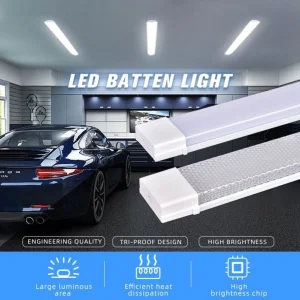
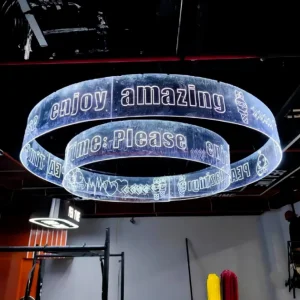
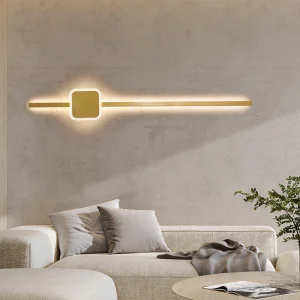
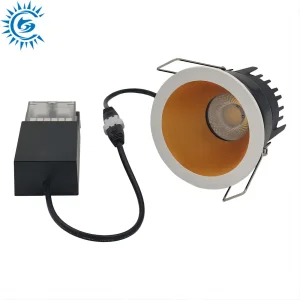
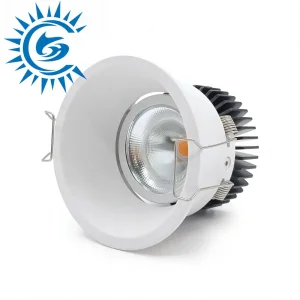
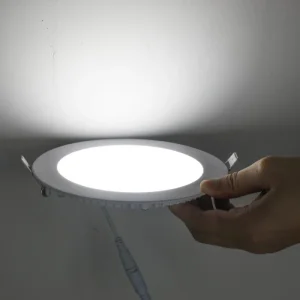
Discover premium, energy-efficient fixtures engineered to bridge commercial spaces and structural landscapes.
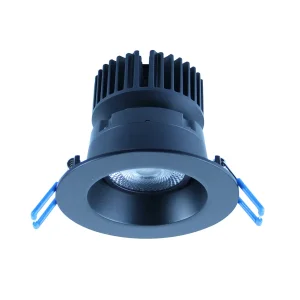
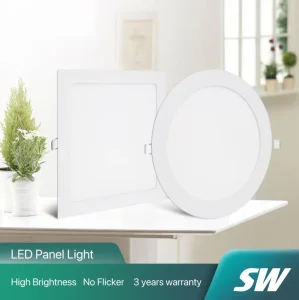

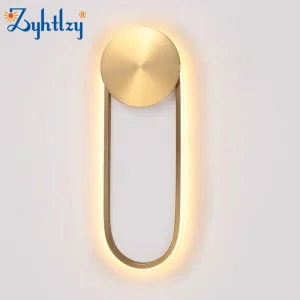
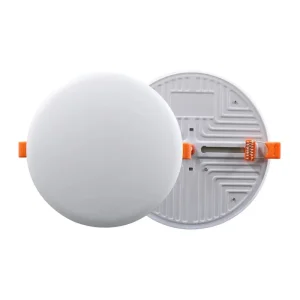
Over the last decade, China has transitioned from a basic assembly floor for lighting products to the global innovation engine of high-performance architectural and exterior landscape lighting solutions. The convergence of smart IoT infrastructure, rigorous green energy initiatives, and advanced optical materials has rewritten the expectations for contract manufacturers. Contemporary landscape systems are no longer isolated luminaires; they are complex, networked components required to function flawlessly in harsh environmental conditions.
In this evolving landscape, factories located within technological hotspots such as Hangzhou leverage robust supply chains, university R&D partnerships, and state-of-the-art testing centers. These advancements allow manufacturers to offer true Information Gain to sourcing partners—guaranteeing verified photometrics, high Luminous Efficacy (lm/W), and strict conformity to ecological demands, such as Dark Sky and anti-light pollution compliances.
Modern landscape lighting seamlessly interfaces with DALI-2, Zigbee, and LoRa protocols, enabling real-time remote diagnostics and energy optimization on a city-wide scale.
Advanced silicone and PMMA optics reduce glare, enhance CRI (Ra > 90), and guarantee precise light distribution to eliminate ambient glare and light spill.
Dual-chamber sealing, anti-corrosive powder-coated finishes, and integrated thermal vias assure structural performance across IP65, IP66, and IP67 installations.
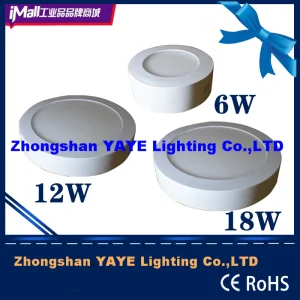
Hangzhou Velvet Light Co., Ltd. is a professional manufacturer dedicated to providing energy-efficient LED lighting solutions, specializing in panel lighting, indoor lighting systems, and parking garage lighting applications. Based in Hangzhou, a leading hub for innovation and manufacturing in China, the company benefits from advanced supply chain resources and strong technical expertise.
Since its establishment, Velvet Light has focused on developing high-performance LED products that combine energy efficiency, durability, and modern design. Its product portfolio includes LED panel lights for offices and commercial spaces, indoor lighting solutions for residential and retail environments, and robust parking garage and canopy lighting systems designed for safety and long-term operation.
The company operates a well-equipped production facility supported by a skilled team of engineers, quality control specialists, and experienced technicians. By integrating advanced LED technology with strict quality management processes, Hangzhou Velvet Light ensures consistent product performance and compliance with international standards.
Driven by innovation and sustainability, the company continues to invest in research and development, offering smart and energy-saving lighting solutions to global customers. Hangzhou Velvet Light Co., Ltd. is committed to delivering reliable products and building long-term partnerships worldwide.
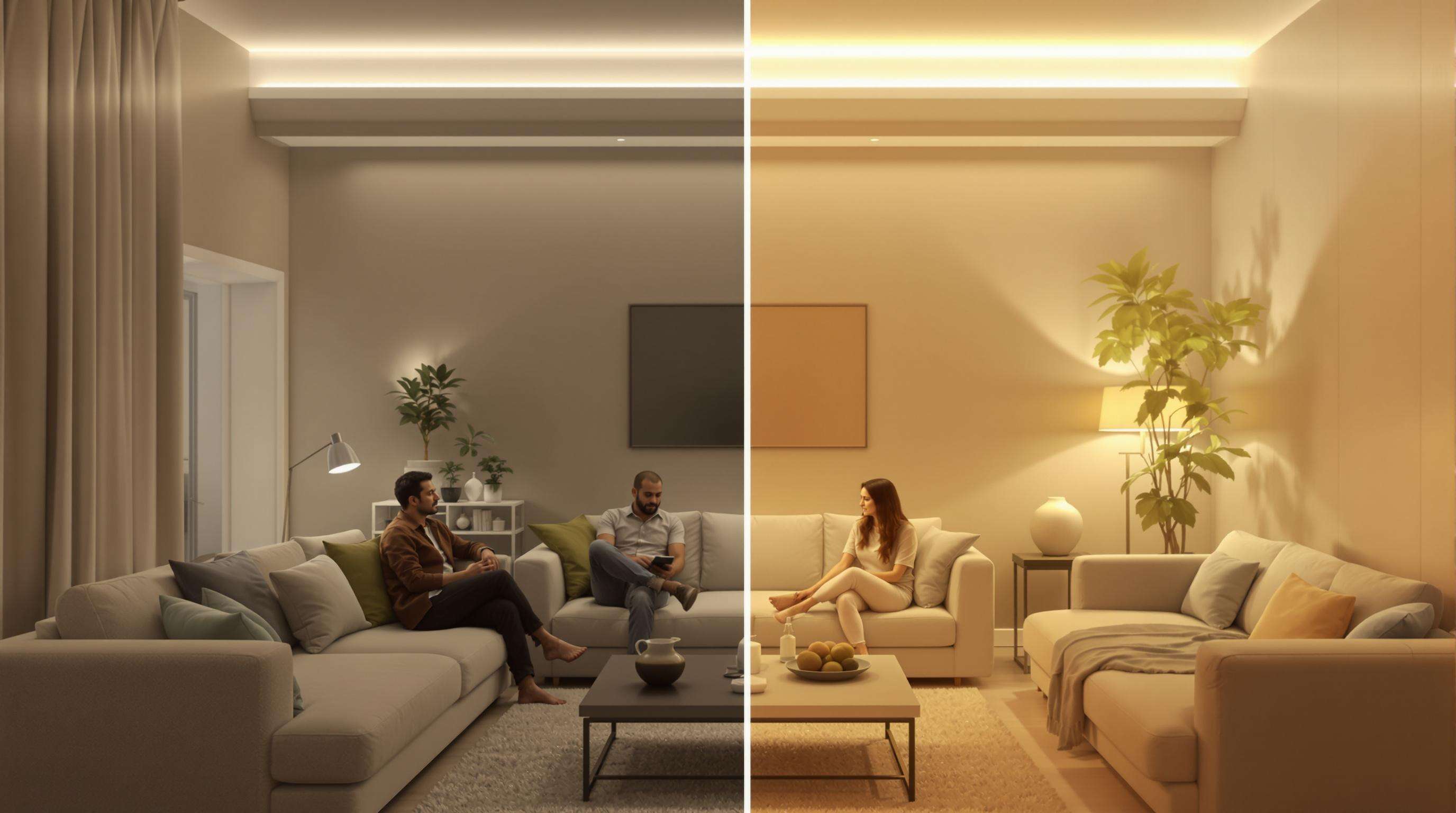

Overseas sourcing agents, architects, and engineering procurement contractors (EPCs) frequently face distinct friction points when engaging with LED manufacturers in East Asia. Mitigating these risks requires selecting factories that provide clear documentation and strict process oversight.
The Challenge: Varied color temperatures (CCT shift) across batches can disrupt visual continuity in large-scale architectural projects.
The Solution: Working with factories utilizing Single-Bin MacAdam Ellipse grouping processes (3-Step or 5-Step SDCM) guarantees absolute color consistency from fixture to fixture.
The Challenge: Moisture ingress, micro-cracking, and electrical surges causing premature system failures in landscape and semi-outdoor installs.
The Solution: Specifying IP65+ rated structures, employing isolated MeanWell/Lifud constant current drivers, and executing strict helium leak testing protocols.
The Challenge: Evolving EU ErP directives, CE, RoHS, and North American UL certifications blocking customs or project handovers.
The Solution: Prioritizing manufacturers that maintain active, third-party lab accreditations (TÜV SÜD, SGS) and provide full photometrics (IES files).
Where the structural lighting sector is heading over the next five years. Review our projected technical checkpoints below.
Widespread adoption of 5CCT and RGBW engines into standard architectural downlights. Development of multi-channel drivers for dynamic, circadian-supportive outdoor designs.
Transitioning fixture chassis from virgin aluminum to low-carbon recycled alloys. Implementation of modular, tool-free repair systems to meet global circular-economy standards.
Smart sensors integrated directly into landscape nodes to adjust beam angles and output based on real-time pedestrian flow, local weather, and ambient light pollution regulations.
Common technical and procurement inquiries from global project engineers and sourcing professionals.
Heavy-duty, high-performance fixtures engineered for reliable operation in demanding applications.

 Velvet Light