10 Common Mistakes in Lighting Design You Should Avoid?

Time:2026-07-13 Author:Amelia
0%

Lighting design is a crucial aspect of any architectural or interior project. Yet, many professionals overlook certain elements that can lead to ineffective illumination. So, what are common mistakes in lighting design? Understanding these errors can greatly enhance the aesthetic and functional quality of a space.

Consider the importance of scale and proportion. A small room with heavy fixtures can feel cluttered. Likewise, overlooking the balance between natural and artificial light can create discomfort. Many designers fail to consider the color temperature of light. This oversight affects mood and perception in a room. Failing to plan for flexibility in lighting can also be a significant drawback. Spaces often need to adapt for different functions and activities.

Additionally, relying solely on one type of lighting can limit the overall atmosphere of a space. It’s essential to mix ambient, task, and accent lighting for a well-rounded effect. Reflecting on these common pitfalls and questioning your own design choices can yield more effective results. Embracing these insights will prevent costly mistakes and elevate your lighting design knowledge.
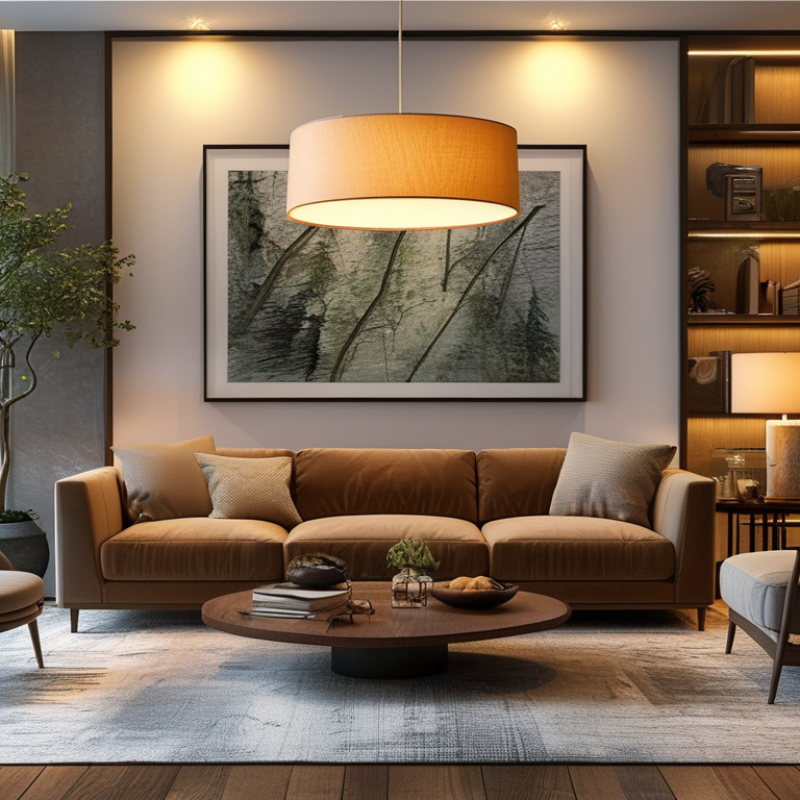
10 Common Mistakes in Lighting Design You Should Avoid?

Understanding the Importance of Lighting Design in Spaces

Lighting design plays a crucial role in shaping the mood and functionality of a space. Proper illumination transforms ordinary areas into vibrant environments. It enhances architecture and guides the way people perceive different spaces. Understanding how to layer light can create depth and warmth. Poor lighting can lead to discomfort and diminished productivity.

Many overlook the impact of natural light. Relying too much on artificial sources can create a cold atmosphere. Designing with daylight in mind fosters a connection to the outdoors. Highlighting features such as windows can enhance a room's aesthetic. Choosing the right bulbs is essential, but it can be easily mismanaged. Using warm tones in living areas fosters a relaxed vibe, while cooler tones can be better for workspaces.

Another common mistake is neglecting the task at hand. Lights should illuminate specific areas effectively. Shadows created by improper placement or inadequate lighting can hinder navigation. A well-thought-out plan involves considering the activities that will take place. Additionally, balancing brightness levels is vital to ensure comfort for all users.

Common Misconceptions About Lighting Types and Their Uses

When considering lighting design, misconceptions about lighting types and their uses often lead to errors. For instance, many assume that all LED lights are energy-efficient. However, not every LED is created equal. According to the U.S. Department of Energy, some lower-quality LEDs can waste energy rather than save it.

Choosing the right type of lighting involves understanding color temperature and its emotional impact. A 2022 study by the Lighting Research Center shows that warmer lights can enhance comfort and productivity in workspaces. Misjudging this can affect the effectiveness of a space. Using cooler lights in environments designed for relaxation can create discomfort.

Tip: Always test different lighting types in a space before finalizing your design.

Another common error involves the underestimation of lumens needed for a specific area. For instance, spaces designed for reading may require up to 300 lumens per square meter. Miscalculating can result in insufficient lighting, leading to eye strain.

Tip: Calculate the required lumens based on the area and its purpose to ensure optimal comfort and functionality.

Awareness of these misconceptions will enhance your lighting design and avoid common pitfalls. Understanding how different types of lighting affect mood and productivity is essential for creating effective spaces.

10 Common Mistakes in Lighting Design You Should Avoid

This chart illustrates the frequency of common mistakes made in lighting design, highlighting areas that can be improved to enhance overall effectiveness.

Neglecting the Impact of Color Temperature on Atmosphere

Lighting design significantly impacts the atmosphere of any space. A common mistake is ignoring color temperature. Different color temperatures evoke various emotions and vibes. Warm tones (2700K-3000K) create a cozy ambiance, perfect for homes and restaurants. On the other hand, cool tones (4000K-5000K) offer a more energetic feel, suitable for offices and creative spaces.

Choosing the wrong color temperature can lead to discomfort. For instance, overly bright, cool lighting in a bedroom may hinder relaxation. A well-designed space should consider how color temperature affects human behavior. Yet, many overlook this. They may use uniform lighting, missing the opportunity to enhance specific areas. Lighting should be dynamic and fit the function of each space.

Color temperature isn't just about personal preference; it also concerns the purpose of a room. Understanding the psychological effects helps create balanced lighting. Design choices may need reevaluation. Is the light too harsh? Are colors appearing washed out? Frequent reflection on these aspects will improve overall design. Ignoring these details can result in a less inviting atmosphere.

Overlooking the Role of Shadows in Creating Depth and Texture

Shadows are often overlooked in lighting design. Many designers focus solely on brightness and color. However, shadows create depth and texture in a space. They add dimension and contrast, enhancing the overall aesthetic. Ignoring this element can lead to flat and uninteresting designs.

Consider a room with only harsh overhead lighting. It may appear bright, but it lacks character. Soft, angled lighting can cast gentle shadows. This technique highlights architectural features and artwork. Using shadows smartly transforms a mundane space into something captivating. Yet, many still avoid experimenting with the interplay of light and shade.

Mistakes often arise from misjudging shadow placement. Too much shadow can disrupt the balance. Insufficient shadows can wash out details. It’s essential to find a balance that suits the environment. Reflecting on how shadows interact with your design can lead to improvements. Embrace shadows, and your designs will gain a richer, more inviting quality.

Failing to Consider Energy Efficiency and Sustainability in Design

Lighting design is essential in creating functional and inviting spaces. However, overlooking energy efficiency is a common mistake. Designers often focus solely on aesthetics. This can lead to an increase in energy consumption and costs. Choosing the wrong type of lighting can contribute significantly to a building's carbon footprint.

Sustainability should be integrated early in the design process. For instance, selecting LED lights can reduce energy usage by up to 75%. Natural light is another effective option. Large windows or skylights can illuminate spaces without relying heavily on electric lights. Yet, many designs still fail to maximize daylight.

Ignoring energy-efficient practices may save time, but it leads to long-term consequences. High energy bills can strain budgets and resources. More importantly, they impact the environment. Striving for sustainability requires a mindset shift. Prioritizing energy efficiency is not just an option; it’s a necessity. This kind of forward-thinking design can make a real difference.

10 Common Mistakes in Lighting Design You Should Avoid

Mistake Description Impact Solution
Ignoring Natural Light Neglecting to incorporate daylight can lead to excessive artificial lighting. Higher energy costs and poorer ambiance. Design with large windows and skylights for daylight utilization.
Overly Bright Lighting Using excessive lumens can cause glare and discomfort. Unpleasant environment and increased eye strain. Opt for adjustable lighting solutions and dimmers.
Poor Fixture Placement Improper positioning can lead to shadows and uneven light. Reduced functionality and aesthetics. Plan layout based on room usage and object placement.
Neglecting Energy Efficiency Choosing traditional bulbs over LED can increase energy usage. Higher long-term costs and environmental impact. Select energy-efficient LED or CFL options.
Inconsistent Color Temperature Mixing different temperatures can disrupt the mood. Dissatisfactory visual coherence. Use compatible bulbs with similar temperatures.
Ignoring Layered Lighting Relying solely on one type of lighting can make spaces flat. Dull and uninviting spaces. Incorporate ambient, task, and accent lighting.
Failure to Adapt to Activities Not adjusting lighting based on different activities can limit functionality. Compromised usability in various situations. Design adaptable solutions with smart controls.
Skipping Maintenance Planning Failing to plan for maintenance can lead to neglected systems. Reduced lighting quality and increased costs over time. Implement a regular maintenance schedule.
Ignoring User Feedback Disregarding user experience can lead to dissatisfaction. Missed opportunities for improvement. Gather and implement user feedback for adjustments.

FAQS

: Why are shadows important in lighting design?

: Shadows create depth and texture, adding dimension and contrast to a space.

What can happen if shadows are ignored in design?

Ignoring shadows can result in flat, uninteresting designs that lack character.

How can lighting create a more inviting space?

Soft, angled lighting casts gentle shadows, highlighting features and enhancing overall aesthetics.

What is a common mistake in shadow placement?

Too much shadow can disrupt balance, while too little can wash out details.

How can you improve your designs with shadows?

Reflecting on shadow interactions can lead to richer, more inviting spaces.

Why is energy efficiency important in lighting design?

Overlooking energy efficiency can increase costs and contribute to a building's carbon footprint.

What is a sustainable lighting option?

Selecting LED lights can reduce energy usage significantly, by up to 75%.

How can natural light benefit a space?

Utilizing large windows or skylights can illuminate areas without relying on electric lights.

What can ignoring energy-efficient practices lead to?

High energy bills can strain budgets and negatively impact the environment.

How should sustainability be approached in design?

Sustainability needs to be integrated early in the design process for better outcomes.

Conclusion

Lighting design plays a crucial role in shaping the atmosphere and functionality of a space. However, many designers and homeowners overlook important factors that can significantly impact the effectiveness of their lighting choices. What are common mistakes in lighting design? One major error is failing to understand the different types of lighting and their appropriate applications. Additionally, neglecting color temperature can result in an unintended mood, while overlooking shadows can diminish the desired depth and texture in a room. Lastly, not considering energy efficiency and sustainability can lead to higher costs and a larger environmental footprint. By avoiding these common pitfalls, one can enhance their lighting design and create more inviting and practical spaces.

Amelia

Amelia

Amelia is a seasoned marketing professional with a wealth of expertise in our company’s core offerings. With an unwavering passion for driving growth and innovation, she plays a pivotal role in shaping our marketing strategies and enhancing brand visibility. A key aspect of her responsibilities......