How to Maintain Indoor LED Lighting Systems Effectively?

Time:2026-05-28 Author:Amelia
0%

Maintaining indoor LED lighting systems is crucial for optimal performance. These lights are energy-efficient and long-lasting but require regular care. Understanding how to maintain indoor LED lighting systems can enhance their lifespan and reduce replacement costs.

Routine inspections are vital. Check fixtures for dust and dirt buildup. Even a thin layer can impact brightness. Replace or clean bulbs as needed. Monitor the overall electrical system, too. Poor connections can lead to flickering or dim lighting.

Proper usage is important. Avoid overloading circuits, and use the correct wattage. Consider the environment as well. Humidity and temperature fluctuations can affect performance. Reflecting on these factors is key to achieving the best results with your lighting systems.
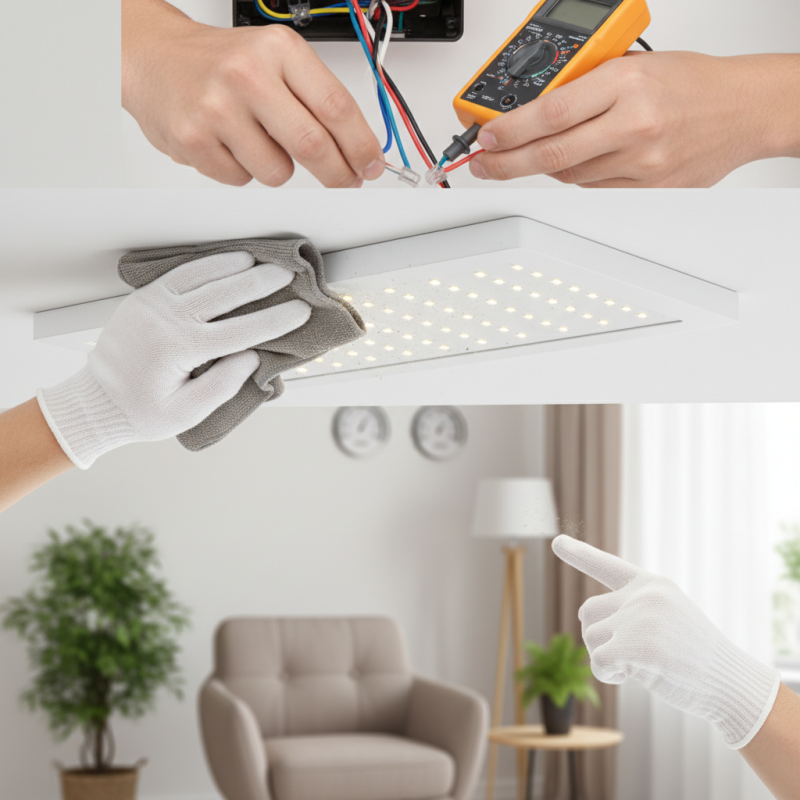
How to Maintain Indoor LED Lighting Systems Effectively?

Understanding the Basics of Indoor LED Lighting Systems

Indoor LED lighting systems are becoming increasingly popular. They offer energy efficiency and long lifespan. Understanding the basics is crucial for effective maintenance. These systems consist of various components, including drivers, fixtures, and bulbs. Each part plays a role in overall performance.

Tips for maintaining your LED lighting include regular inspections. Check for flickering lights, as that can indicate electrical issues. Ensure that bulbs are clean. Dust or dirt can reduce brightness and efficiency. Consider the placement of fixtures to avoid shadows. Proper positioning enhances lighting quality.

Temperature control is also essential. High temperatures can shorten the lifespan of your LEDs. Ensure good ventilation around fixtures. Avoid covering lights with materials that can trap heat. Regularly review your lighting needs. Over time, your requirements may change, leading to unnecessary energy use or inadequate lighting. Addressing these issues promptly can enhance your indoor environment.

Key Factors Influencing the Lifespan of LED Lighting

When considering the lifespan of LED lighting systems, several key factors play a significant role. Temperature is crucial; LEDs function best at cooler levels. Research shows that high temperatures can reduce brightness and lifespan by up to 50%. Effective heat dissipation methods, like using heatsinks, can extend durability. Proper installation is vital. A poorly designed setup can lead to premature failures. Ensuring adequate ventilation and avoiding tight spaces will enhance performance.

Another factor is the quality of power supply. Fluctuations in voltage can stress LED components. A consistent power supply can improve longevity significantly. According to industry studies, high-quality drivers can increase LED lifespan by an estimated 25%. Additionally, operating LEDs at their rated power rather than above it is essential. Overdriving can lead to heat buildup, which shortens life expectancy. Regular inspections are necessary to identify potential issues early.

Maintenance practices also matter. Dust and dirt accumulation can affect brightness and efficiency. Cleaning fixtures regularly ensures optimal lighting conditions. However, overzealous cleaning methods can damage sensitive components. It's essential to strike a balance. Awareness of these factors can help users optimize LED systems for longevity, ultimately saving costs and resources over time.

Regular Maintenance Practices for Optimal LED Performance

Indoor LED lighting systems offer energy efficiency and longevity. However, they require regular maintenance for optimal performance. Keeping lights clean is one of the simplest yet effective practices. Dust and grime can accumulate on the fixtures, leading to reduced brightness. Regularly wipe down the surface with a soft cloth to ensure maximum light output.

Another important practice is checking for flickering or dimming lights. These issues could indicate a need for immediate attention. Inspect connections and make sure bulbs are properly seated. If problems persist, consider replacing faulty components. This can help avoid frustrating malfunctions later.

Tips: Use a vacuum with a brush attachment to clean light fixtures easily. Schedule maintenance checks every six months to ensure everything functions well. Pay attention to any unusual smells or buzzing sounds, as these could signal deeper issues.

How to Maintain Indoor LED Lighting Systems Effectively? - Regular Maintenance Practices for Optimal LED Performance

Maintenance Practice Frequency Purpose Expected Outcome
Cleaning Fixtures Monthly Remove dust and debris Improved light output
Inspect Wiring Quarterly Check for wear or damage Enhanced safety and reliability
Monitor Light Output Bi-monthly Ensure adequate illumination Consistent lighting quality
Test Emergency Features Semi-annually Verify functionality Enhanced safety compliance
Review Energy Usage Annually Identify savings opportunities Cost-effective operation

Troubleshooting Common Issues in Indoor LED Lighting

Indoor LED lighting systems are efficient but can face common issues. One notable problem is flickering lights. This can be due to incompatible dimmers or faulty connections. Research shows that flickering can reduce light quality and be distracting.

Another frequent issue is color inconsistency. Different batches of LED lights can have slight variations in color temperature. A study found that 30% of users reported dissatisfaction with color variance in their LEDs. This can lead to an unpleasant atmosphere in homes or offices. Regular checks can help identify mismatches early.

Additionally, a build-up of dust and debris can affect light output. This is often overlooked. A report indicates that clean fixtures can improve brightness by up to 30%. Regular maintenance is key. Paying attention to these aspects can enhance LED performance. A proactive approach is essential for the longevity of indoor lighting systems. Reflecting on past issues helps improve our future maintenance strategies.

Upgrading and Replacing Components in LED Systems

Upgrading and replacing components in indoor LED lighting systems is essential for maintaining optimal performance. The LED market has grown rapidly, reaching an estimated value of $54 billion in 2023. As technology evolves, new components provide improved efficiency and longer lifespans. Industry reports suggest that upgrading to newer drivers can enhance energy savings by up to 30%. This transition can significantly reduce operational costs over time.

However, many facilities overlook regular maintenance. It's crucial to check components like heat sinks and lenses regularly. These parts can degrade, influencing light quality. A study showed that improper maintenance practices can lead to a decrease in lighting effectiveness of up to 20% within a year. Addressing smaller issues can prevent costly replacements later. Consider scheduled checks every six months to ensure systems operate optimally.

Training employees on the importance of component replacement is vital. This knowledge can drive proactive maintenance. Reports indicate that lack of proper training leads to a significant increase in system failures. Investing time in updating skills can yield substantial returns. Implement a system for monitoring component performance to identify areas needing attention. Failing to adopt such strategies can result in dimmer, less efficient lighting.

FAQS

: What causes flickering lights in LED systems?

: Flickering can occur due to incompatible dimmers or faulty connections. This issue can be distracting.

How does flickering affect light quality?

Flickering reduces light quality and can lead to discomfort in any space. It’s better to identify the cause early.

Why is color consistency important in LED lighting?

Color inconsistencies can create an unpleasant atmosphere. Users have reported dissatisfaction with color variations.

What can I do to maintain LED light performance?

Regularly clean fixtures to remove dust. Clean lights can improve brightness by up to 30%.

How often should I check the components of my LED system?

It’s wise to check components every six months. This prevents larger issues that may arise from neglect.

What is the benefit of upgrading components in LED systems?

Upgrading can enhance energy savings by up to 30%. This can significantly lower operational costs over time.

Conclusion

Effectively maintaining indoor LED lighting systems is crucial for maximizing their lifespan and performance. Understanding the basics of these systems, including their components and functions, sets the foundation for maintenance. Key factors such as heat management, power supply stability, and environment conditions significantly influence LED longevity.

Regular maintenance practices include cleaning fixtures, inspecting connections, and replacing damaged components to ensure optimal performance. Troubleshooting common issues, like flickering lights or sudden outages, can help identify problems early on. Finally, knowing when to upgrade or replace parts within the LED systems can enhance their efficiency. By following these guidelines on how to maintain indoor LED lighting systems, users can ensure their lighting remains effective and reliable over time.

Amelia

Amelia

Amelia is a seasoned marketing professional with a wealth of expertise in our company’s core offerings. With an unwavering passion for driving growth and innovation, she plays a pivotal role in shaping our marketing strategies and enhancing brand visibility. A key aspect of her responsibilities......