In recent years, innovation in lighting technology has transformed indoor spaces, making them more efficient and appealing. But what industries benefit from LED indoor lighting? This question is increasingly relevant as sustainability and cost-effectiveness drive decision-making in various sectors.
Several industries, including retail, healthcare, and hospitality, have embraced LED lighting solutions. Retail shops utilize bright, energy-efficient LED lights to highlight merchandise, enhancing customer experience. Meanwhile, hospitals and clinics favor LED lighting for its low heat output and reduced glare, improving patient comfort and safety.
Despite these benefits, not all businesses fully understand LED's advantages. Some may still hesitate to make the switch due to initial costs. This reluctance can hinder potential savings and environmental benefits. As industries evolve, understanding what industries benefit from LED indoor lighting can guide more businesses toward smarter lighting solutions.
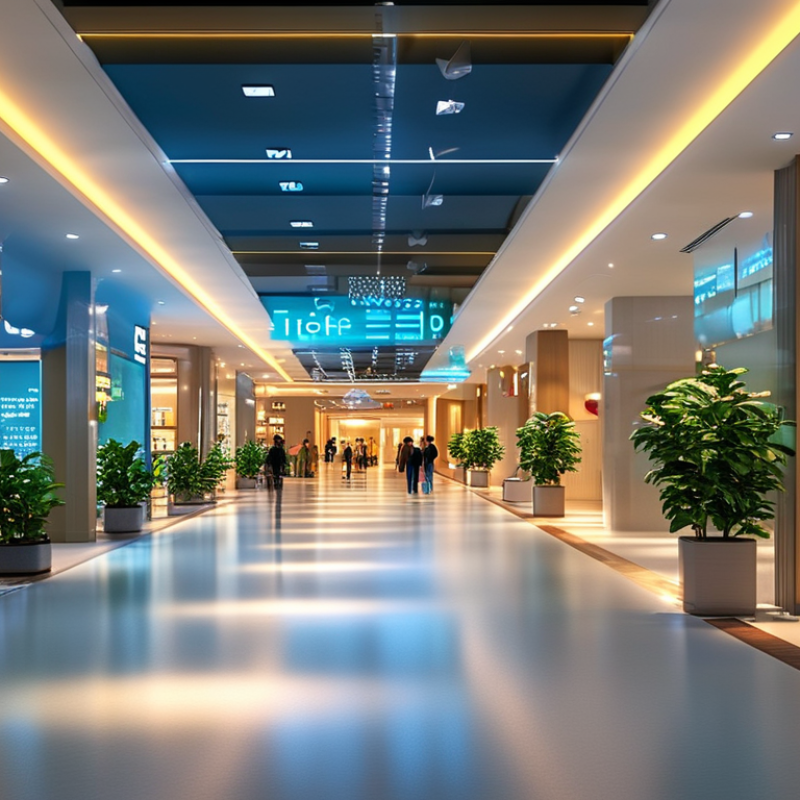
Industries Leveraging Energy Efficiency with LED Indoor Lighting
The rise of LED indoor lighting has transformed various industries, offering exceptional energy efficiency and brighter outcomes. Offices, for example, see enhanced productivity when adopting LED solutions. The consistent illumination aids employees in maintaining focus and reducing eye strain.
Retail spaces are also leveraging LED technology effectively. The vibrant lighting enhances product displays and creates an inviting atmosphere for shoppers. These lights can produce a wide spectrum of colors, making products appear more appealing.
Tips for businesses include evaluating existing lighting systems. Consider the energy savings that come with LED lights. Conduct a light study to identify areas needing improvement. Testing different brightness levels can yield surprising results in mood and functionality.
Healthcare facilities have witnessed significant benefits from LED implementation. Patient comfort is paramount, and softer lighting can relieve anxiety. However, it’s crucial to assess the balance between brightness and energy consumption.
When selecting LED options, think about the long-term investment versus initial costs. The upfront expenditure can be daunting, but the savings accumulate over time. Reflect on sustainability goals as these choices play a part in corporate responsibility.
Retail Sector and the Impact of LED Lighting on Consumer Behavior
The retail sector has significantly transformed with the advent of LED indoor lighting solutions. These innovations in lighting do more than just illuminate products; they create immersive environments that draw in consumers. Research indicates that well-lit retail spaces can increase sales by up to 30%. This statistic highlights the critical role lighting plays in influencing consumer behavior.
LED lighting is also energy-efficient, which means businesses can save costs while enhancing their sales atmosphere. A report from the Department of Energy stated that LED lights use at least 75% less energy than traditional incandescent lights. The sustainability aspect is appealing to today's eco-conscious consumers. However, not all retail stores have embraced this technology fully. Some still rely on outdated lighting systems, potentially missing out on increased foot traffic and sales.
Moreover, the color temperature of LED lights can affect customer emotions and purchase decisions. A study found that cooler white light can enhance the appeal of products. However, excessive brightness might overwhelm some shoppers. Retailers must carefully balance lighting levels to maintain an inviting atmosphere. This nuance in lighting design remains a challenge for many, indicating the need for further exploration and research into effective retail lighting strategies.
Healthcare Facilities Achieving Patient Comfort with LED Solutions
In healthcare facilities, patient comfort is paramount.
LED indoor lighting solutions play a crucial role in enhancing this environment.
These energy-efficient lights provide a spectrum of color temperatures that can mimic natural daylight.
This is vital for maintaining patients' circadian rhythms, which can aid recovery.
Softer, warmer lighting can reduce anxiety in waiting areas.
It creates a soothing atmosphere, making visits less stressful.
Implementing LED lighting also helps to reduce glare and harsh shadows, which can be disorienting for patients and staff.
Thoughtful placement of lighting improves visibility during procedures without overwhelming the senses.
However, not all settings benefit equally from the same lighting design.
Some areas require brighter lights for tasks, while others need softer illumination for relaxation.
Facilities must consider individual needs to avoid creating discomfort.
Despite the advantages, transitioning to LED solutions requires careful planning.
Some healthcare facilities lack the budget to make this shift immediately.
Others may struggle with finding the right balance between efficiency and comfort.
Continuous evaluation of lighting schemes is essential.
It helps ensure that the specific needs of patients are met while maximizing energy savings.
A thorough understanding and ongoing adjustment will yield the best outcomes in patient care.
Educational Institutions Enhancing Learning Environments through LED Light
Educational institutions are increasingly turning to LED indoor lighting solutions to create better learning environments. Bright and well-lit classrooms can significantly enhance students' focus and engagement. LED lights offer a spectrum of color temperatures, which can be adjusted to suit different activities. For instance, cooler lights can energize students during study sessions, while warmer tones can relax them during breaks.
Moreover, LEDs are energy-efficient and cost-effective. Schools can reduce their energy consumption dramatically. This not only saves money but also promotes sustainable practices. However, switching to LED lighting is not always straightforward. Some institutions struggle with installation costs and require proper planning. It's essential to assess the unique needs of each space before making changes.
Teachers have reported that well-lit classrooms inspire creativity and improve mood. Yet, not every approach works seamlessly for every school. There’s an ongoing need for feedback and adjustments based on student performance. Continuous reflection on the effectiveness of lighting can guide future improvements. It's a vital step toward ensuring every student has the opportunity to thrive.
Hospitality Industry: Creating Ambiance and Saving Costs with LED Lighting
The hospitality industry has seen significant transformations with LED indoor lighting solutions.
Hotels, restaurants, and event venues are leveraging LED technology to enhance ambiance while cutting costs.
According to a report from the Department of Energy, LED lighting can save up to 75% more energy than traditional incandescent bulbs. This figure shows the potential for considerable savings in hospitality operations, which often see high energy bills, especially in large facilities.
Creating the right atmosphere is essential for guest satisfaction.
Warm, dimmable LED lights can mimic the natural light spectrum, promoting comfort and relaxation.
Studies indicate that well-lit environments can increase customer retention rates by up to 30%. However, some establishments struggle to balance lighting intensity and cost-effectiveness.
The initial investment in LED technology can be daunting, but the long-term savings often outweigh these concerns.
While the move to LEDs is beneficial, it isn't without challenges. Some venues report difficulties in finding the right color temperature to match their brand image.
Additionally, the varied lifespan of LED products can lead to inconsistent lighting experiences.
Addressing these issues requires careful planning and consultation with lighting experts to ensure a seamless transition to LED solutions.
This reflective approach can contribute significantly to the overall success of a hospitality venue.
FAQS
: LED lights mimic natural daylight, supporting patients' circadian rhythms and aiding recovery. They also reduce anxiety in waiting areas.
Thoughtful lighting placement improves visibility during procedures while minimizing overwhelming sensations for patients and staff.
No, different areas need specific lighting. Brighter lights are suitable for tasks, while softer lights promote relaxation.
Budget constraints often hinder immediate transitions, and finding the right balance between efficiency and comfort is difficult.
LED lighting can save up to 75% more energy compared to traditional bulbs, significantly reducing energy bills in large facilities.
Creating the right ambiance enhances guest satisfaction and can increase customer retention rates by up to 30%.
The initial investment can be daunting, but long-term energy savings often justify the expense over time.
Finding the right color temperature to align with a brand and managing varied lifespans of LED products can be challenging.
Continuous evaluation ensures specific patient needs are met while maximizing energy savings, leading to better patient care.
Consulting with lighting experts and careful planning can address potential issues and contribute to a successful transition.
Conclusion
The article explores what industries benefit from LED indoor lighting, highlighting various sectors that leverage energy efficiency through these innovative lighting solutions. The retail sector is particularly impacted by LED lighting, as it enhances consumer behavior by creating inviting atmospheres that encourage purchases. In healthcare facilities, LED solutions contribute to patient comfort by providing better lighting conditions that promote healing and well-being.
Additionally, educational institutions are enhancing learning environments with LED lighting, which fosters focus and productivity among students. The hospitality industry also reaps the rewards of LED lighting by creating a desired ambiance while simultaneously saving costs on energy bills. Overall, the widespread adoption of LED indoor lighting is transforming various industries by improving both operational efficiency and experiences for customers and employees alike.

 Velvet Light