Why You Should Learn How to Avoid Glare in Indoor Lighting?

Time:2026-05-31 Author:Ethan
0%

Indoor lighting plays a significant role in our daily lives. It directly impacts our mood, productivity, and visual comfort. According to the American Optometric Association, nearly 50% of workers report discomfort due to glare from artificial lighting. This highlights the need for effective strategies on how to avoid glare in indoor lighting.

Poor lighting design not only causes annoyance but can also lead to eye strain and headaches. The Illuminating Engineering Society recommends using indirect lighting and dimmers to enhance visual comfort. Understanding how to avoid glare in indoor lighting can create a more pleasant and efficient work environment.

Inadequate glare management can trap us in a cycle of discomfort. Many do not realize their lighting setup could be the culprit behind decreased focus. By recognizing this issue, we can take actionable steps to improve our spaces. Learning about glare reduction techniques is essential for promoting a healthier, more productive indoor atmosphere.
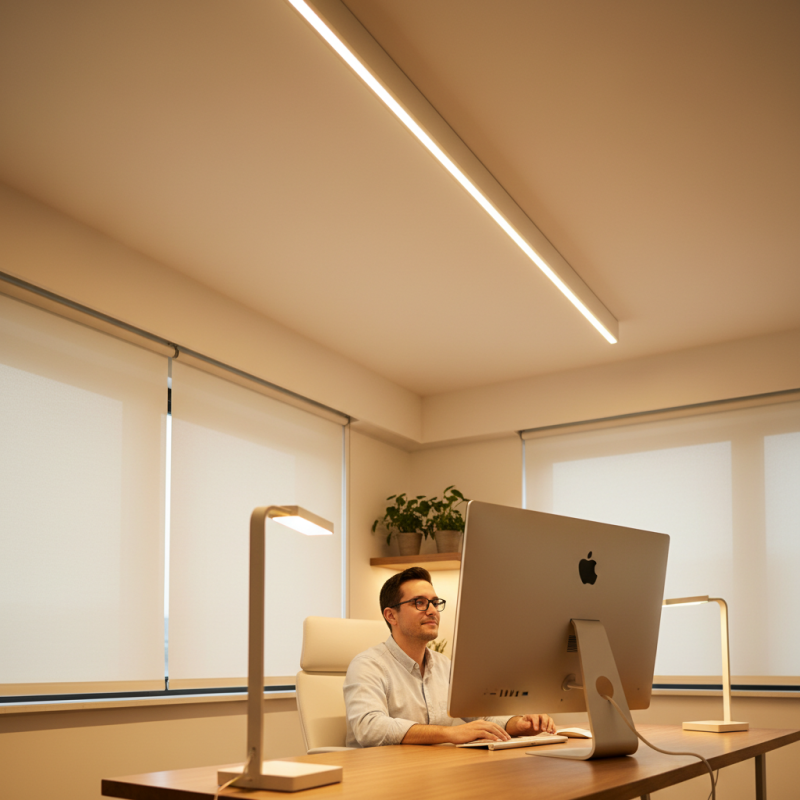
Why You Should Learn How to Avoid Glare in Indoor Lighting?

Understanding Glare: Definitions and Types in Indoor Lighting

Understanding glare in indoor lighting is crucial for creating a comfortable environment. Glare refers to excessive brightness that causes visual discomfort. It can occur in two primary forms: disability glare and discomfort glare. Disability glare hampers vision by reducing contrast, while discomfort glare affects overall comfort without blocking vision.

Studies show that about 40% of office workers complain about glare in their workspace. This can lead to decreased productivity and increased eye strain. Poor lighting choices, like direct overhead lights and reflective surfaces, often contribute to glare issues. For instance, a report from the Illuminating Engineering Society indicated that improper lighting design can reduce employee satisfaction by 20%.

Addressing glare requires careful attention to lighting fixtures and their placement. Using diffused light sources helps minimize harsh shadows and bright spots. Employing adjustable curtains and shades allows for adaptability to different tasks and times of day. However, it’s essential to acknowledge that not every solution works for every space. Regular evaluations of lighting conditions are necessary. Understanding glare is a step toward better indoor environments.

The Impact of Glare on Vision and Comfort in Indoor Environments

Glare in indoor lighting can significantly affect vision and comfort. Research shows that nearly 70% of people experience discomfort due to glare in their workspaces. It can lead to eye strain, headaches, and reduced productivity. Bright lights reflecting off surfaces create this issue. For instance, shiny desks or unshaded windows can amplify the problem. A study by the Lighting Research Center indicates that proper glare control can improve workplace satisfaction by up to 30%.

The impact of glare extends beyond discomfort. Continuous exposure can hinder visual performance. A 2019 report highlighted that glare can decrease an individual's ability to focus by more than 20%. Good lighting design should consider glare sources and how light interacts with surfaces. Soft, diffuse lighting techniques are some solutions. These methods help create a balanced environment without harsh contrasts. However, many spaces still neglect glare reduction strategies. It’s essential to evaluate lighting options critically.

People's awareness of glare varies, and education is necessary. For example, office workers often overlook adjusting their workspace to minimize glare. Small changes, like using matte finishes on surfaces, can make a big difference. Each individual needs to assess their environment and be proactive in mitigating glare’s effects. Understanding glare can significantly enhance indoor comfort and well-being.

Common Sources of Indoor Glare and How to Identify Them

Indoor glare is a common issue that can affect comfort and productivity. It often originates from various sources, including windows, overhead lighting, and reflective surfaces. A recent report from the Illuminating Engineering Society highlights that over 70% of office workers experience discomfort due to glare. Identifying these sources is critical for improving indoor environments.

Large windows can create significant glare. When sunlight reflects off surfaces, it can distract and strain your eyes. Additionally, fluorescent lights, commonly used in office settings, can produce harsh brightness. The American National Standards Institute states that proper lighting design should minimize glare to enhance visual comfort. Understanding these factors can help you create a more conducive workspace.

Sometimes, simple solutions can reduce glare. Adjusting blinds or changing lamp types can have a big impact. However, many people overlook these adjustments. Without proper assessment, glare issues may persist, hinder productivity, and lead to long-term discomfort. Tackling glare in indoor spaces requires awareness and proactive measures to ensure a better lighting experience.

Common Sources of Indoor Glare

This bar chart illustrates the intensity of glare from various common indoor sources. Understanding these sources can help you identify and mitigate glare, improving comfort in your indoor spaces.

Effective Techniques to Reduce Glare in Home and Office Spaces

Glare from indoor lighting can be a significant nuisance in homes and offices. It creates discomfort and disrupts productivity. Reducing glare is essential for creating a more pleasant environment. To effectively manage glare, consider the following techniques.

One effective method is adjusting the positioning of light sources. Place lights away from direct sight lines. Use table lamps with shades that diffuse light. This simple adjustment can significantly reduce harsh reflections. Also, consider the type of bulbs you use. LEDs offer bright light but can cause more glare than softer options. Experiment with different bulbs to find a comfortable balance.

Using window treatments is another way to control glare. Blinds and curtains can filter sunlight, reducing the intensity of incoming light. Sheer fabrics allow light without harshness. Additionally, incorporating matte surfaces in your décor can minimize reflections. Glossy surfaces may look stylish, but they can intensify glare. It’s crucial to think about how your choices affect lighting. Striking a balance between aesthetics and comfort is vital. Always evaluate your lighting setups, ensuring they meet your needs effectively.

Benefits of Reducing Glare: Enhancing Productivity and Well-being

Indoor glare can significantly impact your well-being and productivity. Research shows that excessive glare leads to discomfort and decreased concentration. A study by the Lighting Research Center found that up to 60% of office workers are affected by glare, resulting in increased eye strain and fatigue. Reducing glare not only alleviates these issues but also enhances overall work efficiency.

Creating a glare-free environment brings tangible benefits. Productivity can improve by 20% when proper lighting solutions are implemented. Moreover, a well-lit workspace reduces stress and supports mental well-being. Ensuring proper lighting can be a game changer in both home and office settings.

**Tips:** Consider using adjustable blinds to control light entry. Choose diffused light sources to soften harsh lights. Regular breaks from screens can also help minimize the effects of glare on your eyes. Ideally, a combination of these elements will create a more comfortable atmosphere to thrive in.

Why You Should Learn How to Avoid Glare in Indoor Lighting? - Benefits of Reducing Glare: Enhancing Productivity and Well-being

Benefit Description Impact on Productivity Impact on Well-being
Reduced Eye Strain Minimizing glare helps to reduce discomfort and fatigue in the eyes. Higher focus and longer working hours. Improved visual comfort and health.
Improved Visibility Proper lighting reduces shadows and enhances clarity in the workspace. Increased accuracy in tasks. Reduced frustration and easier navigation in the environment.
Enhanced Mood Good lighting design can create a more inviting and pleasant atmosphere. Boosting morale and collaborative efforts. Decreased stress and anxiety levels.
Better Performance Reducing glare allows for improved focus on tasks. Increased productivity in various tasks. Greater job satisfaction and life quality.

FAQS

: What causes glare in indoor spaces?

: Glare often arises from harsh lighting and reflective surfaces, disrupting comfort and focus.

How can I adjust lighting to reduce glare?

Position light sources away from direct sight lines and use lamps with diffusing shades for softer light.

Are certain light bulbs better for reducing glare?

Yes, softer bulbs are preferable. LEDs can be bright but may create more glare compared to other options.

What role do window treatments play in glare reduction?

Blinds and curtains filter sunlight, lessening glare intensity and creating a more comfortable atmosphere.

Do matte surfaces help with glare?

Yes, matte finishes minimize reflections, while glossy surfaces can increase glare levels in a room.

How does glare affect productivity?

Excessive glare can lead to discomfort and decreased concentration, impacting work efficiency negatively.

What are the benefits of reducing glare?

Reducing glare can enhance well-being, improve productivity by 20%, and reduce stress in work environments.

Is it helpful to take breaks from screens?

Yes, regular breaks from screens can lessen eye strain caused by glare and refresh focus.

How can I create a glare-free environment?

Combine adjustable blinds, diffused light sources, and regular breaks for the best results in comfort.

Should I consider aesthetics in my lighting choices?

Yes, it’s important to balance style with comfort and function to ensure effective lighting solutions.

Conclusion

Learning how to avoid glare in indoor lighting is essential for creating comfortable and visually pleasant environments. Glare, which can be defined as excessive brightness that causes visual discomfort, significantly impacts both vision and overall comfort in indoor settings. Common sources include direct sunlight, overhead lights, and reflective surfaces, making it crucial to identify these contributors to mitigate their effects.

Effective techniques to reduce glare include using curtains or blinds to control natural light, adjusting the position of light fixtures, and opting for matte surfaces that minimize reflections. By implementing these strategies, individuals can enhance productivity and well-being in home and office spaces, making the learning of glare avoidance techniques a valuable skill for anyone seeking to improve their indoor lighting experiences.

Ethan

Ethan

Ethan is a seasoned marketing professional with a deep expertise in our company's innovative product line. With a passion for sharing knowledge and insights, he takes the lead in regularly updating our corporate blog, where he explores industry trends, product features, and effective marketing......