LED lighting has become a popular choice for homeowners and businesses globally. However, as with any technology, issues can arise. Knowing how to troubleshoot LED lighting issues is crucial for maintaining optimal performance. Buyers might encounter flickering lights, inconsistent brightness, or complete failures. Each problem can stem from various causes that require careful examination.
Understanding the underlying issues can often save time and money. For instance, a flickering bulb may simply need a tight connection or a new dimmer switch. In contrast, inconsistent brightness could highlight an underlying electrical issue. This guide can help buyers navigate through these common problems with practical solutions. Observing your LED lights closely reveals patterns and anomalies that can aid in quick diagnosis.
Approaching troubleshooting requires patience and a willingness to consider all possible factors. A methodical examination can lead to successful resolutions that restore lighting efficiency. By exploring these key areas, buyers will feel empowered to tackle LED lighting problems effectively. Knowing where to look and what to ask can ensure longevity and reliability in your lighting choices.
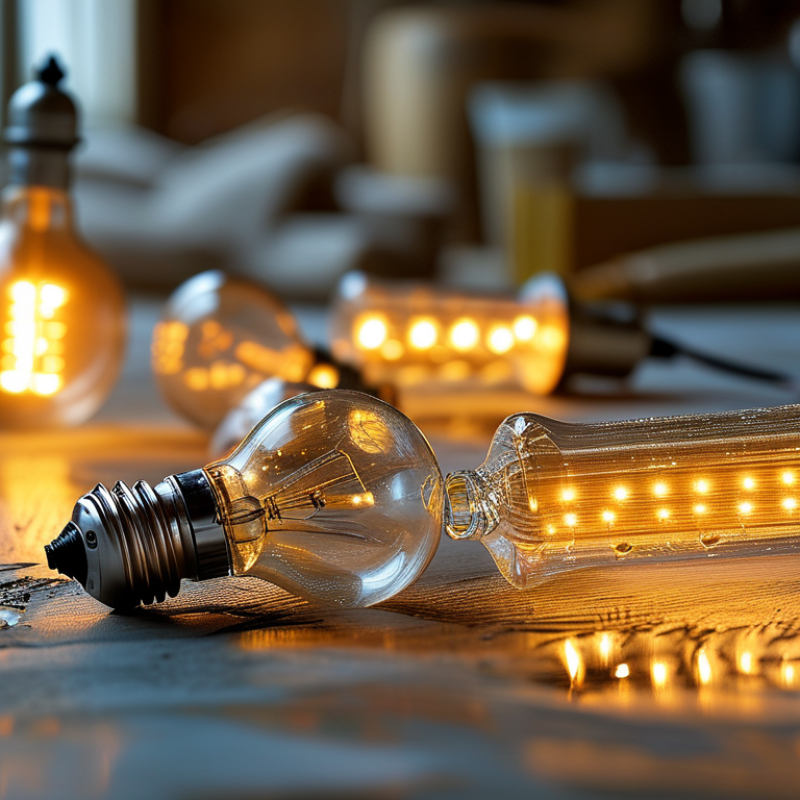
LED lighting has transformed the way we illuminate our spaces. However, common issues still plague consumers. According to a recent industry report, up to 30% of users experience problems with LED lights. This includes flickering, premature failure, and color inconsistency. Many consumers expect LED lights to last longer than traditional bulbs, but some report failures within just a few months of use.
Flickering can often occur due to incompatible dimmers. Consumers may not realize that older dimming technology can clash with LED circuits. A study indicates that nearly 40% of flickering issues stem from this mismatch. Additionally, thermal management is crucial for the lifespan of LED bulbs. Poor heat dissipation can lead to decreased performance and reduced longevity. If a bulb feels hot to the touch, it could be a sign of an underlying issue.
Color inconsistency can also be frustrating. Different brands may produce LED lights with varying color temperatures, leading to mismatched ambiance. A survey revealed that over 25% of LED users encounter dissatisfaction due to unexpected color outputs. This inconsistency emphasizes the importance of understanding specifications before purchase. Awareness of these common pitfalls can help consumers make informed decisions, reducing the likelihood of encountering widespread LED lighting problems.
LED lighting issues can be frustrating for buyers globally. Understanding the symptoms of LED malfunctions is crucial. Flickering lights often indicate a problem with the driver. In fact, according to a report by the Department of Energy, driver failure accounts for nearly 40% of LED failures. Dimming functionality can also fail, leaving users in the dark about what’s wrong.
Color inconsistency is another common symptom. Users may notice slight differences in the hue of their LED lights. This can arise from manufacturing variances or improper voltage. Minimalistic designs sometimes hide fading colors, but that doesn’t mean it’s normal. Identifying these symptoms early can save time and money.
**Tips:** Regularly check the voltage supplied to your LEDs. Avoid overloading circuits. Use appropriately rated LED fixtures. Choose reputable suppliers for better quality control. If problems persist, consult with lighting professionals for evaluation. Better yet, stay informed about the latest advancements in LED technology. Many new products come with enhanced durability and performance guarantees.
LED lighting issues can be frustrating for users. To troubleshoot effectively, start by checking the power source. Ensure that the fixture is properly plugged in or wired. If the bulb is not turning on, try a different outlet. Sometimes, it’s just a bad connection. Experience shows that this simple step can often resolve the problem.
Next, examine the bulbs themselves. A flickering light could indicate compatibility issues. Not all LED bulbs work well with dimmer switches. Some might need specific drivers or transformers. Ensure you have the right components for your setup. If the bulb shows signs of damage or an odd flicker, replacing it might be the best option.
Lastly, observe the environment where the lights are installed. Excessive heat or humidity can affect LED performance. Dust or moisture buildup can create problems too. Regular cleaning is essential for optimal function. Remember, even minor details can cause major issues. Adjusting your approach based on these factors will enhance your LED lighting experience.
When it comes to LED lighting, failures can be frustrating. Many buyers overlook preventive measures that can extend the lifespan of their lighting. For instance, proper installation is crucial. Ensuring that fixtures are compatible with the LED type can reduce issues significantly. This means checking the voltage and making sure the dimmer switches, if used, are LED-compatible.
Heat management also plays an important role. LED lights generate heat, which can affect performance. Buyers should opt for fixtures that allow heat dissipation. Using LED bulbs in enclosed fixtures may lead to early failure. It is often overlooked but crucial to allow for adequate airflow around the lights.
Another common issue is poor power supply. Fluctuations can lead to instability in performance. Consider investing in surge protectors to mitigate this risk. Moreover, regular maintenance and cleaning of fixtures can prevent dust accumulation, which can impact light output. Awareness of these factors can help buyers enjoy their LED lighting for longer periods.
LED lighting issues can be tricky. Sometimes, the DIY approach just doesn't cut it. Flickering lights or unusual noises can indicate deeper problems. It's essential to recognize when the issues go beyond simple fixes. Homeowners should trust their instincts. Ignoring persistent issues may lead to safety hazards.
Professional help is invaluable in these situations. Experts bring advanced tools and knowledge. They can quickly diagnose wiring faults or malfunctioning drivers. It's not just about fixing the light; it's about ensuring the safety of your home. When flickers become frequent or your lights fail to illuminate, it's time to call in a pro.
Many may hesitate. They might wonder if it's necessary. However, tackling complex electrical problems without training can be risky. Think about it: is it worth the danger? Seeking professional assistance offers peace of mind. You can feel secure knowing that qualified hands are managing your lighting concerns.
This chart represents the frequency of various LED lighting problems encountered by buyers around the world, based on a recent survey. The data shows common issues and their respective percentages, highlighting when it may be necessary to seek professional help.
: Common issues include flickering, premature failure, and color inconsistency.
Flickering often occurs due to incompatible dimmers or driver failure.
Check if the driver is functioning properly, as it accounts for many failures.
It can result from manufacturing variances or incorrect voltage levels.
Ensure proper thermal management and avoid overloading circuits.
Symptoms include flickering, color fading, or inconsistencies in light hue.
Yes, consulting lighting professionals can help identify and resolve issues.
Regularly check the voltage supplied and inspect for heat buildup.
Choose reputable suppliers and stay informed about the latest technology advances.
A hot bulb may signal an underlying issue needing attention.
This article delves into essential strategies for understanding and resolving common LED lighting issues encountered by consumers. It begins by highlighting frequent malfunctions and their symptoms, guiding readers on how to identify potential causes of their LED lighting problems. The article then outlines a step-by-step approach on how to troubleshoot LED lighting issues, equipping buyers with practical techniques to diagnose and resolve their concerns effectively.
Furthermore, it emphasizes the importance of preventive measures to minimize the risk of future failures, ensuring longer-lasting performance of LED lights. Lastly, the article provides insights on recognizing when it's necessary to seek professional help, empowering consumers to make informed decisions regarding their lighting solutions.

Velvet Light